zum Inhalt springen
ntc-labor-ueber-uns-titel

AI Under Review

Strengthening Switzerland’s Digital and Physical Sovereignty

Annual event held in collaboration with the National Cyber Security Centre (NCSC) and the Federal Office of Communications (OFCOM)

Tuesday, November 17, 2026| Hotel Bellevue Palace Bern

Program (in german) Video: ETH & NTC

Impressions & Insights

Note: The quotations have been translated from German.

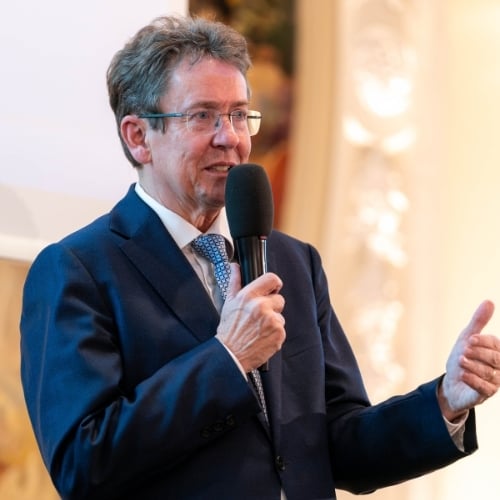
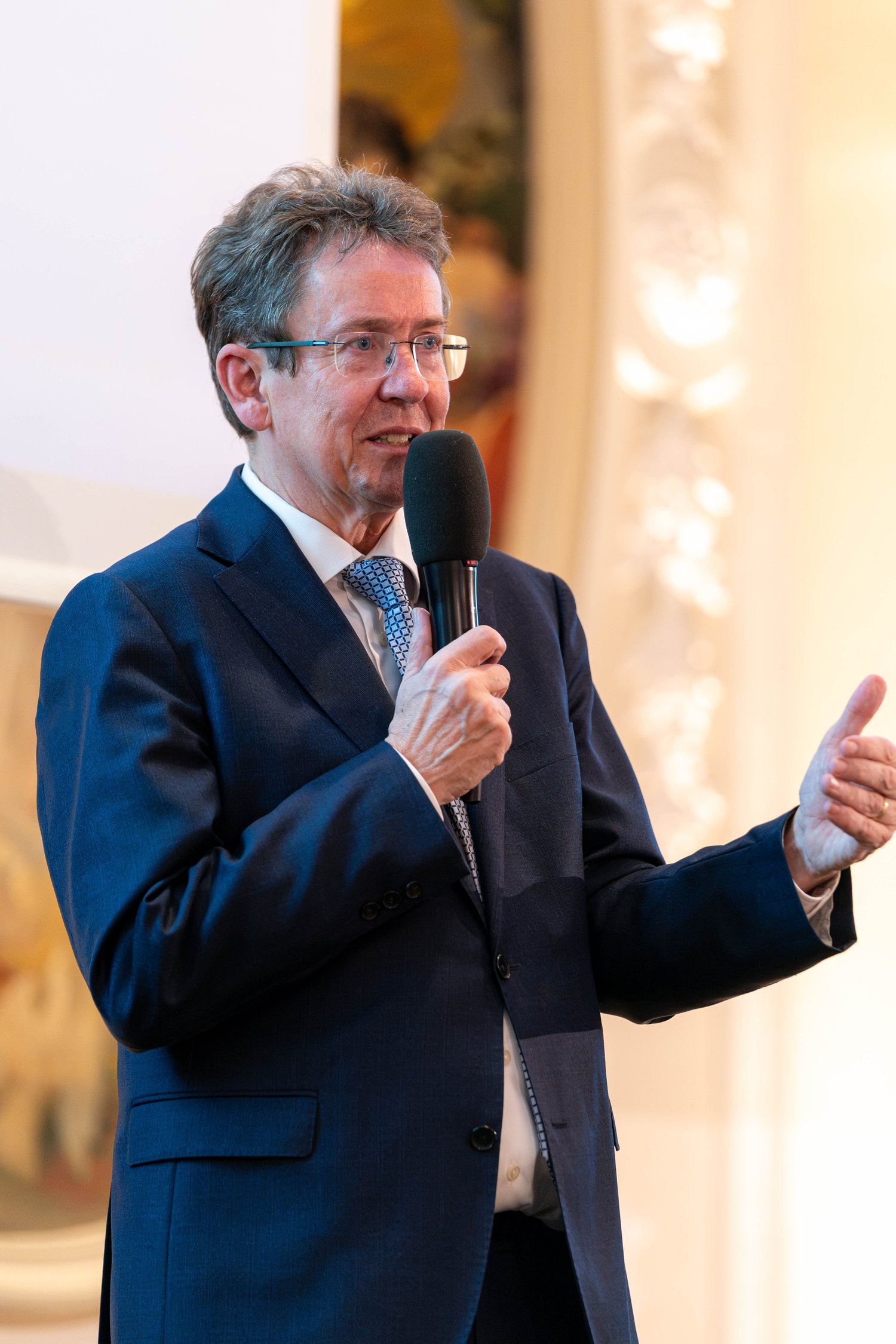
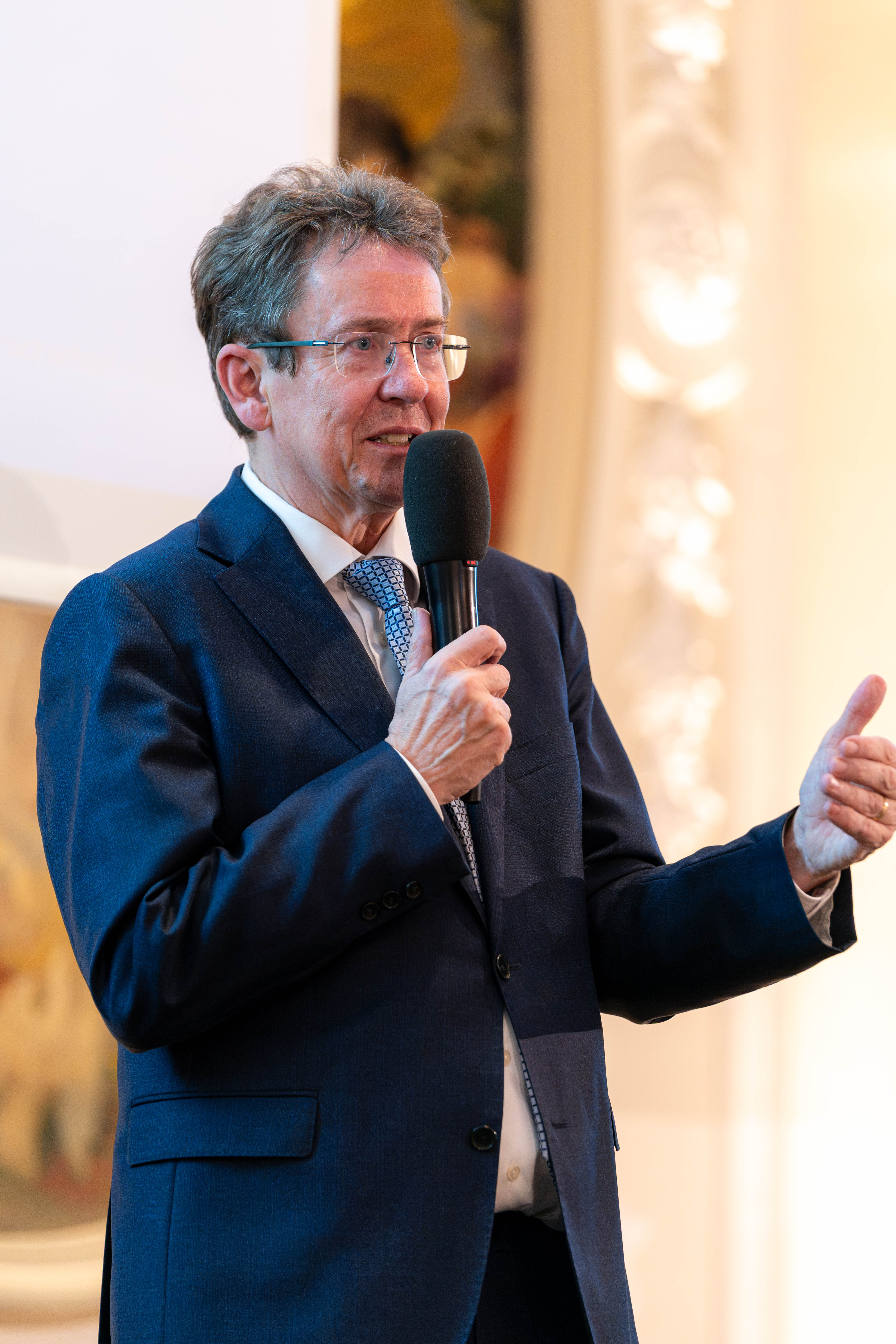
«For me, alongside the risks, AI is an enormous driver of success and innovation. The technology is coming. It cannot be stopped; we have to deal with it – but with the necessary respect. Trust in artificial intelligence will be the measure of all things in the future. To create this trust, we must also address the security issues.»

Federal Councillor Albert Rösti, Head of the Federal Department of the Environment, Transport, Energy and Communications DETEC.

2026-ntc-anlass-rösti
AI as an accelerator: opportunity and risk for cybersecurity

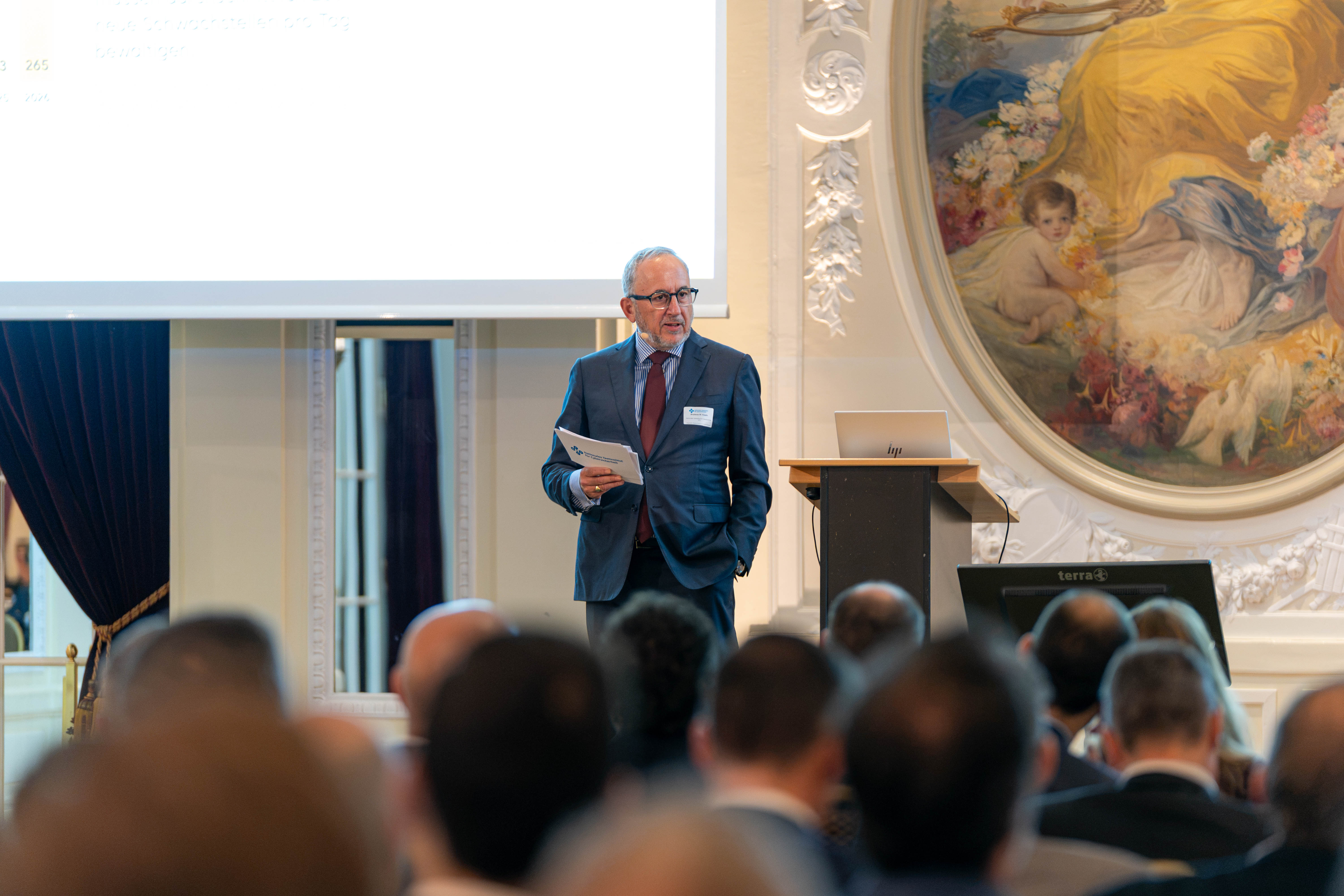
Andreas W. Kaelin, NTC: “Artificial intelligence is accelerating both sides” — attack and defense. But the rules for this technology are being written elsewhere: “Switzerland is not at the table.” This is why Switzerland needs its own testing expertise and ability to make independent assessments, because: “Sovereignty means being able to assess what you rely on.”

According to Dr. Raphael Reischuk, NTC, Swiss organizations are attacked almost twice as often as a year ago (+99 percent), and vulnerabilities are exploited faster and faster: in 2018, on average after around 63 days; in 2023 after five days; in 2024, for the first time, even before disclosure; and in 2025, according to Google, on average seven days before disclosure. «We need to be able to test at the pace of the threat.»

At the Federal Office of Information Technology, Systems and Telecommunication FOITT, only eight minutes remained to patch a PHP vulnerability, with patches created by the federal government’s own AI. Previously, there had been time to test them first. Dirk Lindemann, Director of FOITT: «Those days are over.»

Valentina Sulmoni, NCSC, said: «We are not seeing new types of attacks, but rather that the existing ones are being generated much faster and more precisely.»

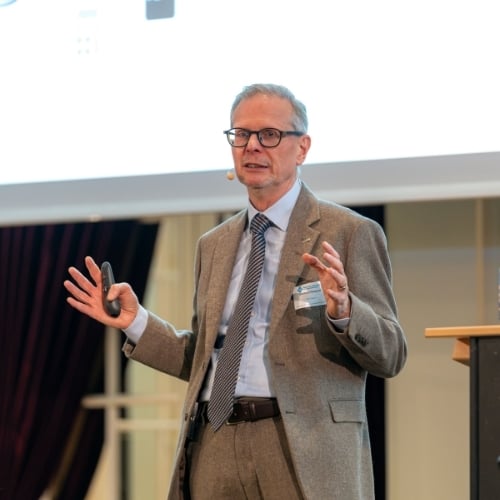
For Prof. Dr. Günther Dissertori, Rector of ETH Zurich, AI, like every technological revolution, has both light and shadow: it accelerates science, for example in predicting rockslides or in medicine. The downside is illustrated by agentic AI systems that leave their sandboxes and attacks on unexpected targets.

2026-ntc-anlass-dissertori

The need for independent testing capacity

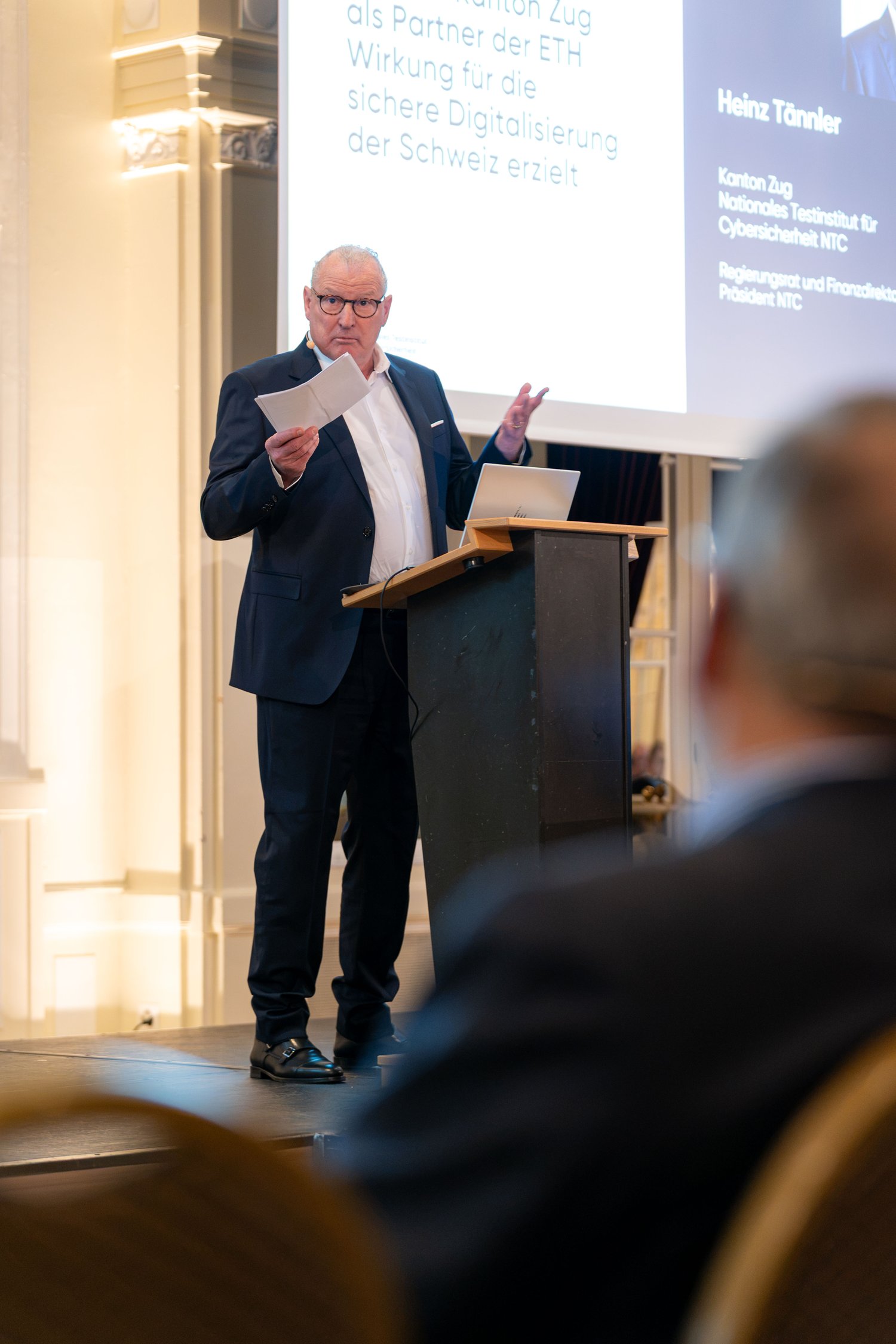
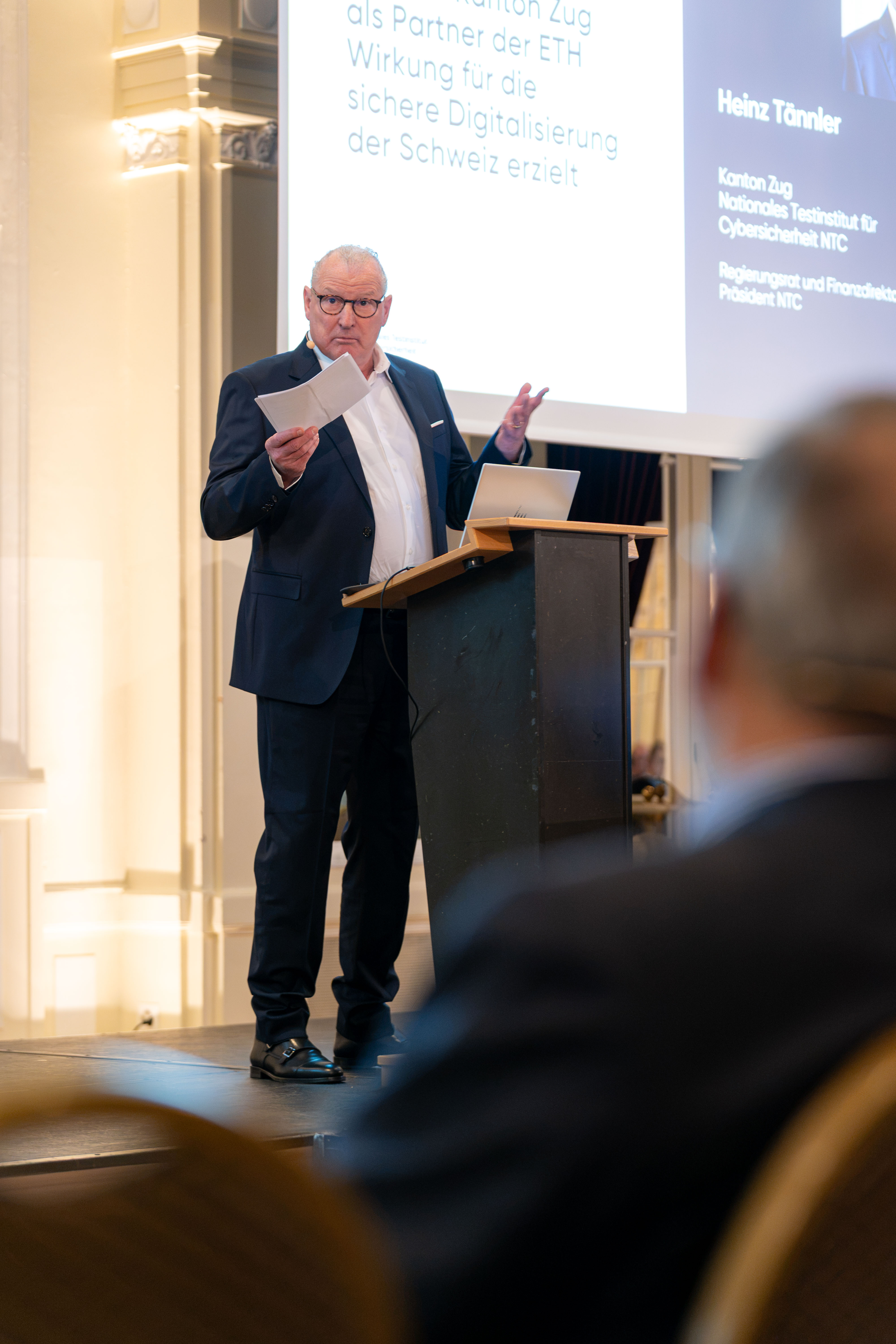
  • The testing gap: Independent testing often lacks funding, market incentives, and a legal mandate, emphasized Heinz Tännler, Member of the Cantonal Government and Finance Director of the Canton of Zug. On its own initiative, the NTC found more than 50 vulnerabilities in eleven photovoltaic products, more than 60 in around 30 peripheral devices, and serious vulnerabilities in the three most widely used hospital information systems.

  • Manufacturers have a responsibility: «If we acted in construction the way we do in information technology, no building would stand and no bridge would hold», said Florian Schütz. Cybersecurity therefore needs to be considered from the outset when developing hardware and software, and AI can provide support in this area.

  • AI is also tested too little: In conventional software, test code accounts for around 43 percent, compared with only 1.5 percent in AI systems, Reischuk showed: «If we test very little in the field of AI but still use it, then we also bring the risks into our systems.» Julian Riebartsch, Calvin Risk, sees a major opportunity: «If Switzerland builds an ecosystem that tests AI systems […], then we will really have gained something.»

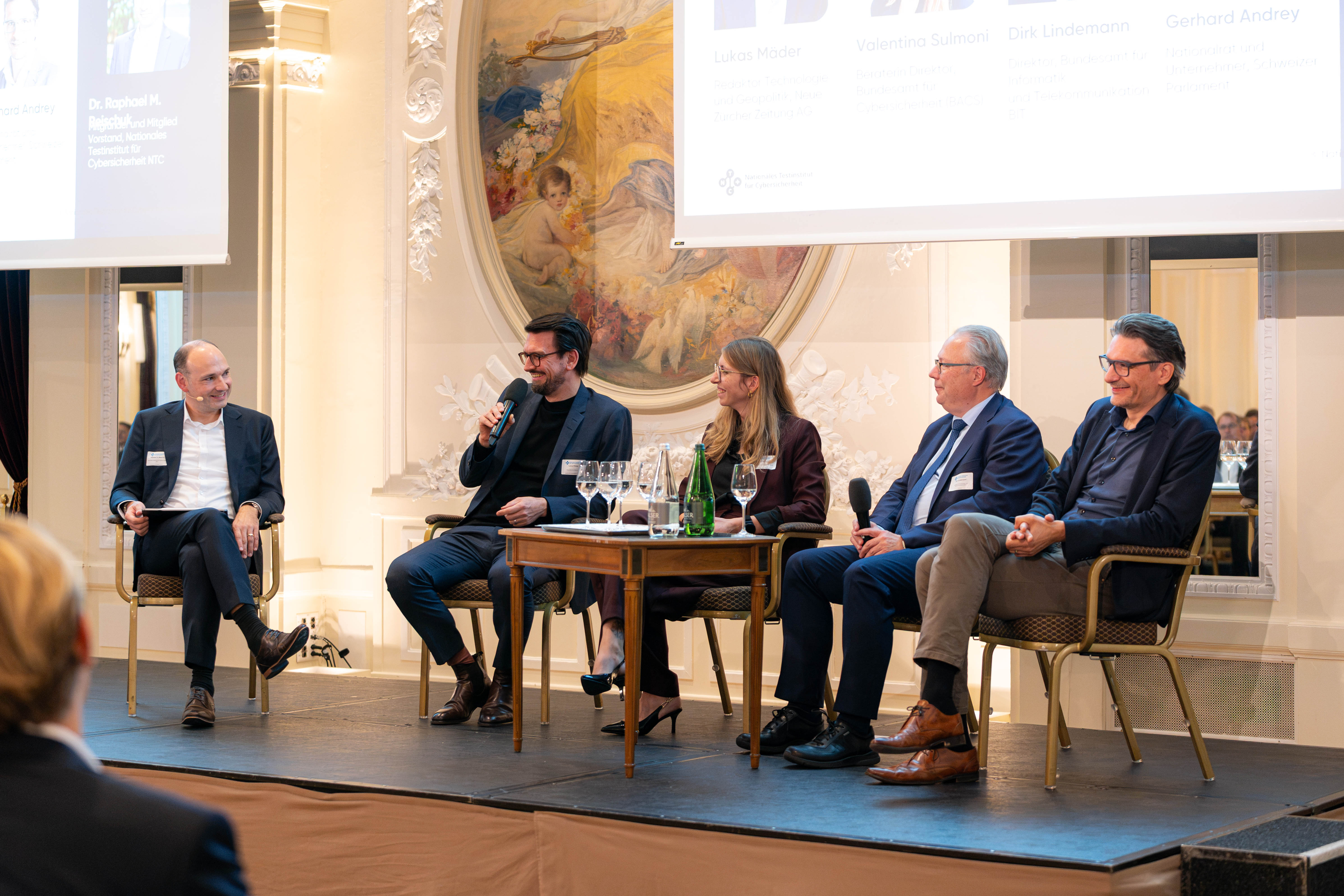
  • Lack of cyber hygiene: Attackers benefit in the short term because basic cyber hygiene is lacking, said Lukas Mäder. Organizations must assume that they have vulnerabilities and introduce additional protection concepts.
  • Enforcing standards in the market: OFCOM enforces requirements in the market, including the stricter requirements for connected radio equipment in effect since 2025. Gianna Luzio, Director of OFCOM: «If there are standards, then we need testing procedures, then we also need intervention mechanisms; we need to be able to monitor compliance.»

How AI agents at the NTC are already finding vulnerabilities

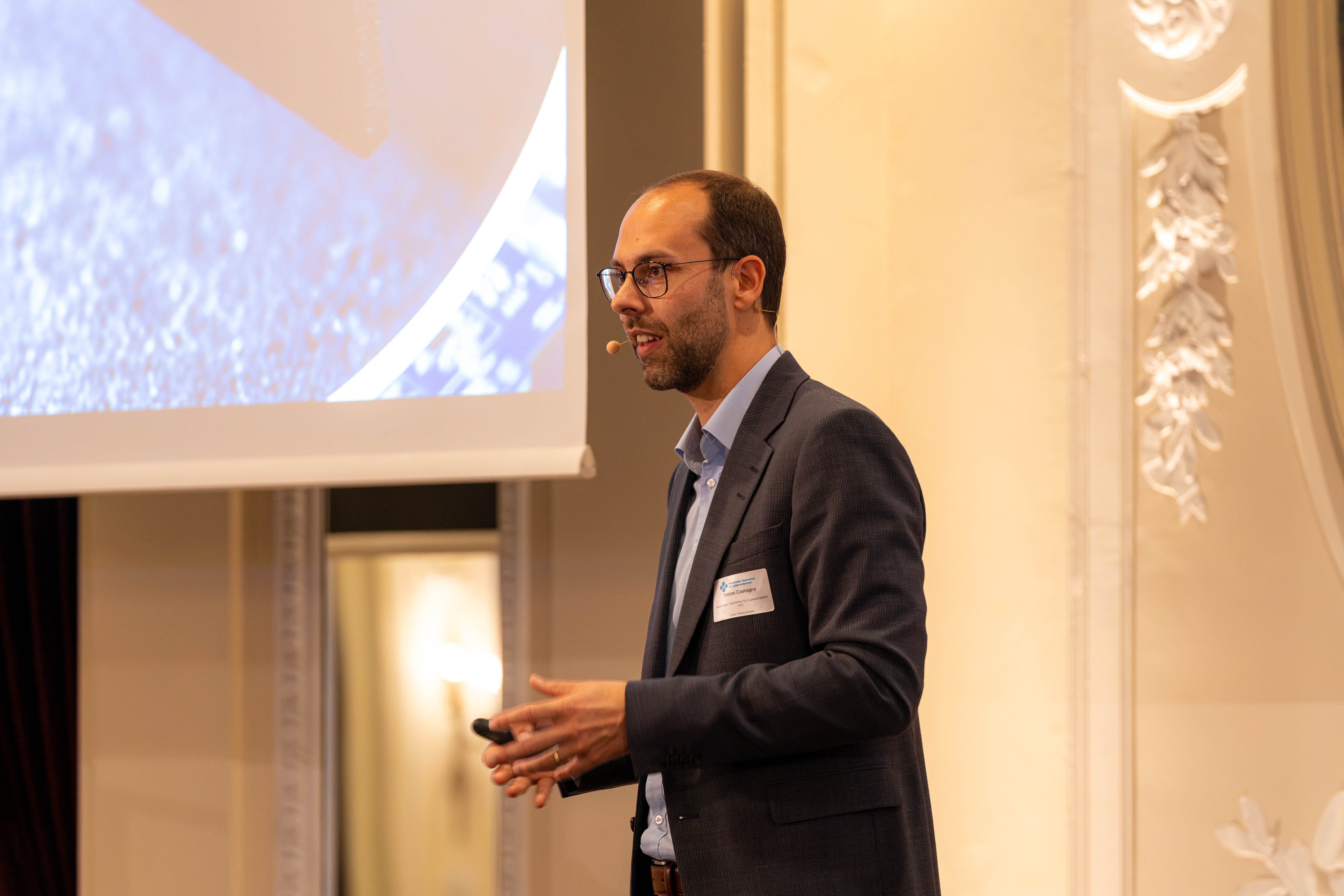
Tobias Castagna and Andreas Leisibach, NTC, demonstrated this using a robot vacuum cleaner: step by step, an AI agent found an attack path, first via cable and then via radio. Anyone who exploits the vulnerability can remotely control the robot and use it as an eavesdropping device.

  • Days instead of months: Leisibach: «We spent six days finding this vulnerability. Without AI, it would have taken many, many months, if not years.»

  • Human expertise is still needed: The test experts set objectives and boundaries, helped the AI out of dead ends, and manually verified every finding: «AI alone does not make a test lab.»

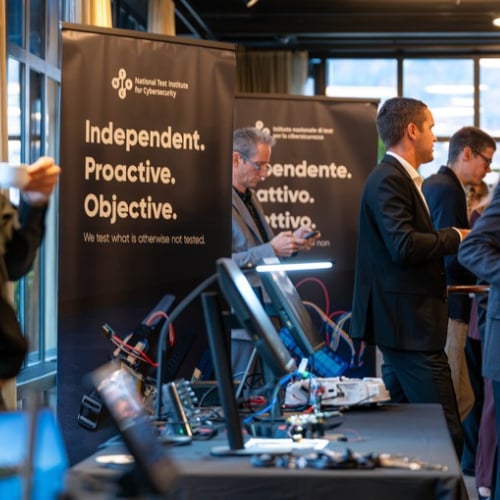
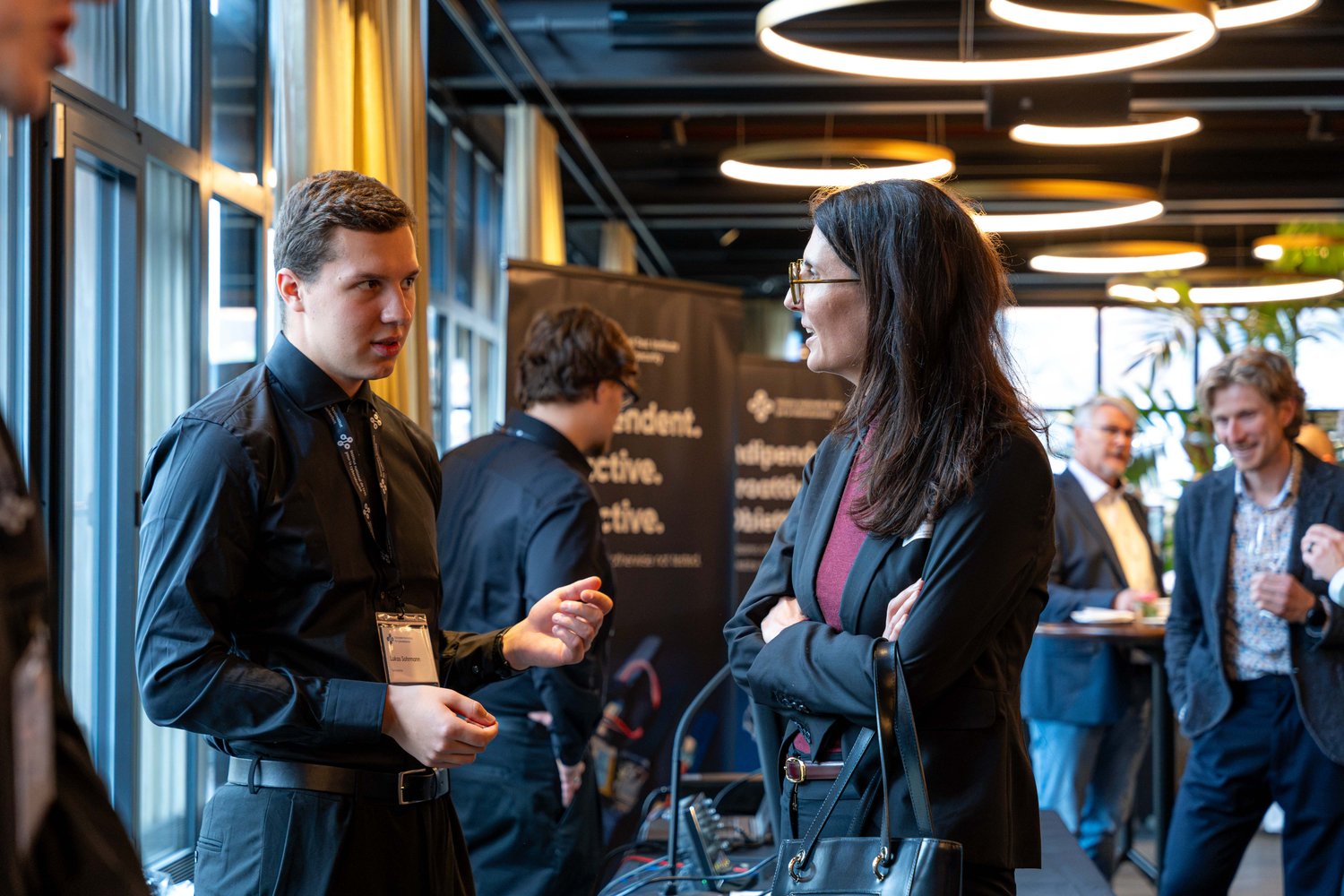
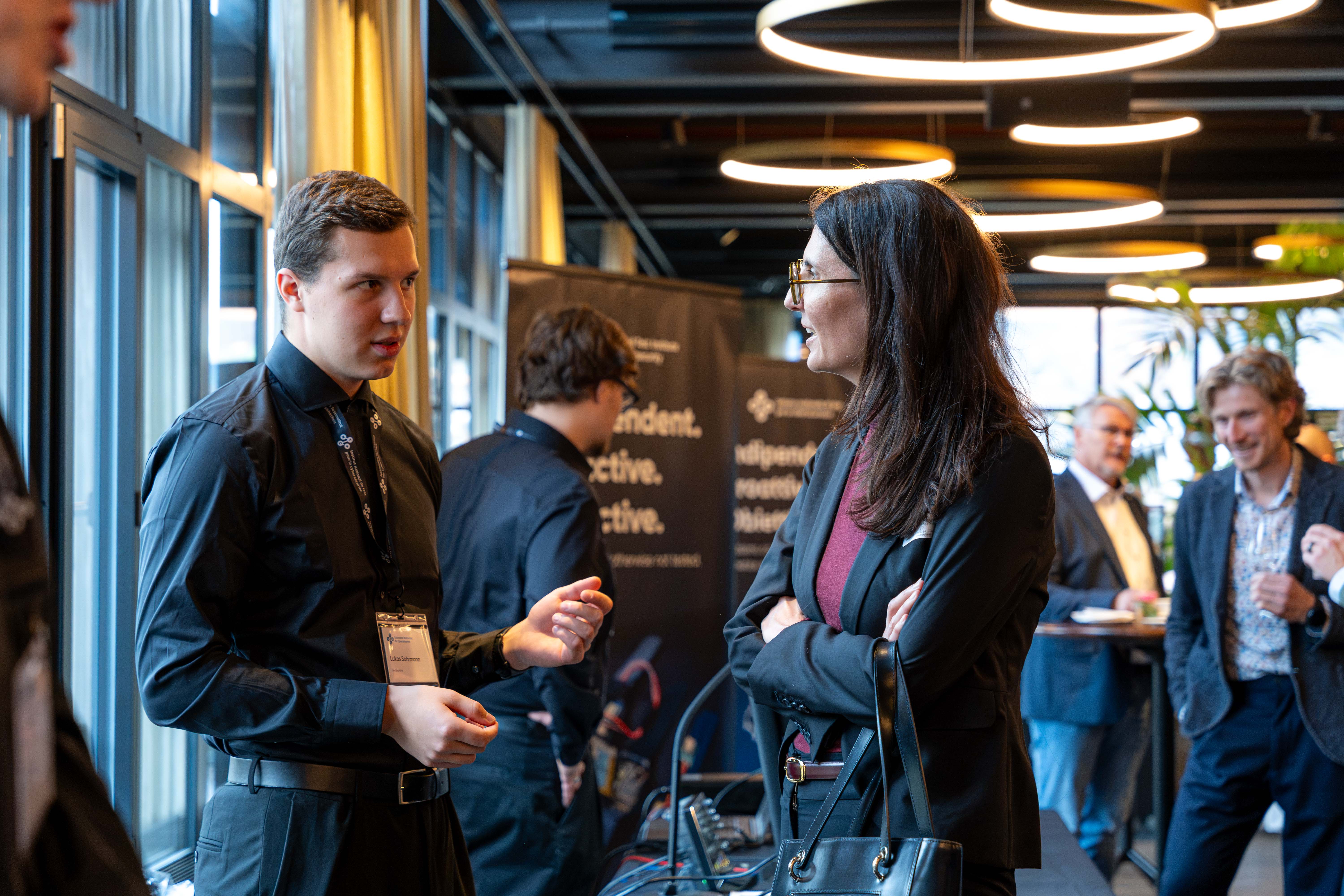
At the demo stations, the NTC test experts also showed how a manipulated wireless presentation system can compromise connected computers.
2026-ntc-anlass-demostationen
Partnership between the Canton of Zug, ETH Zurich, and the NTC

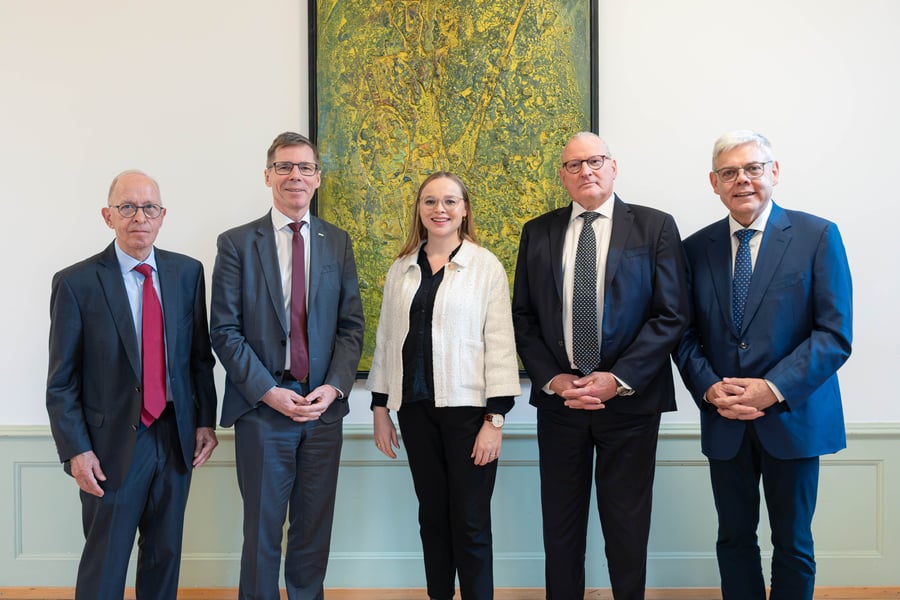
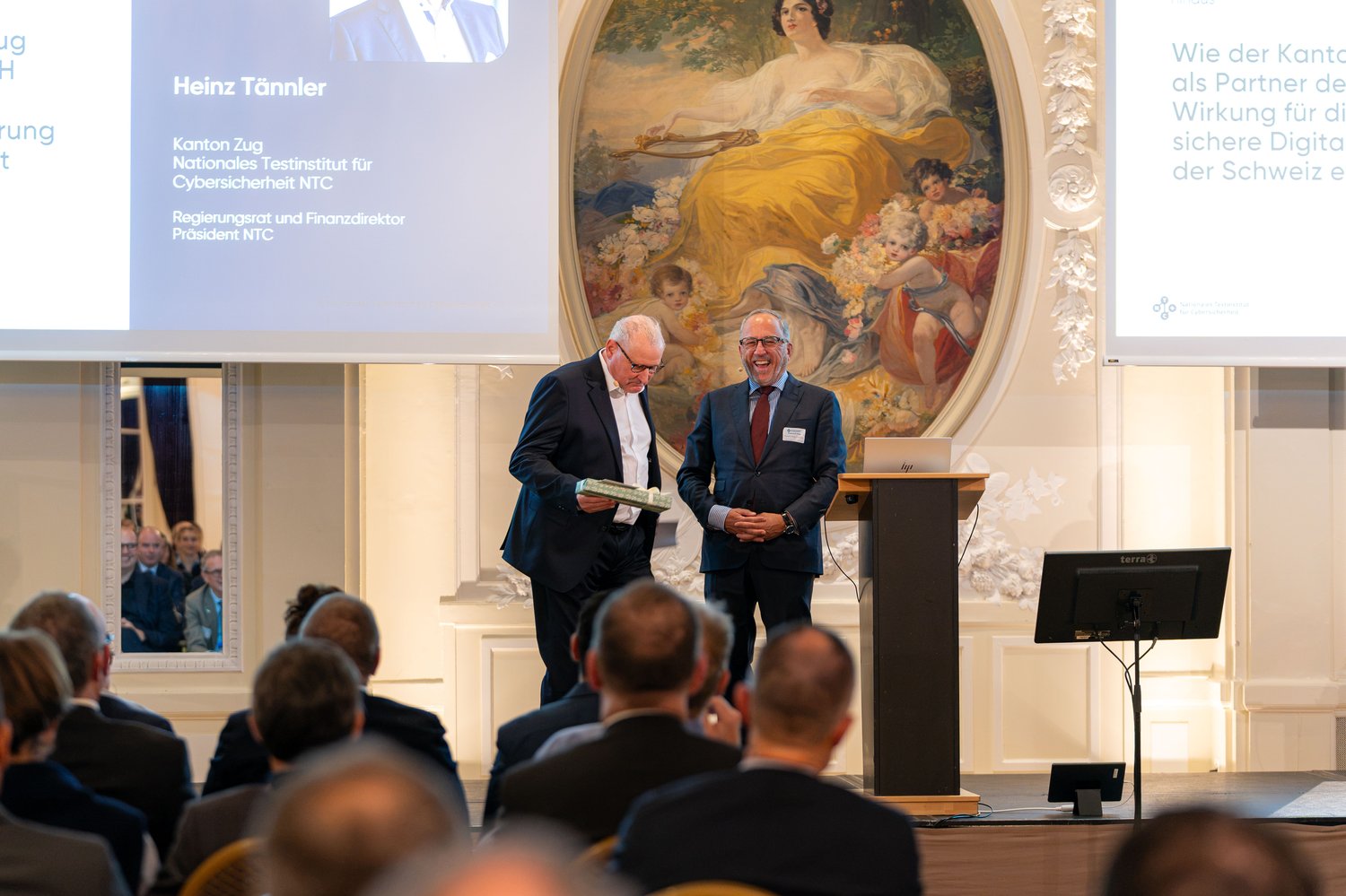
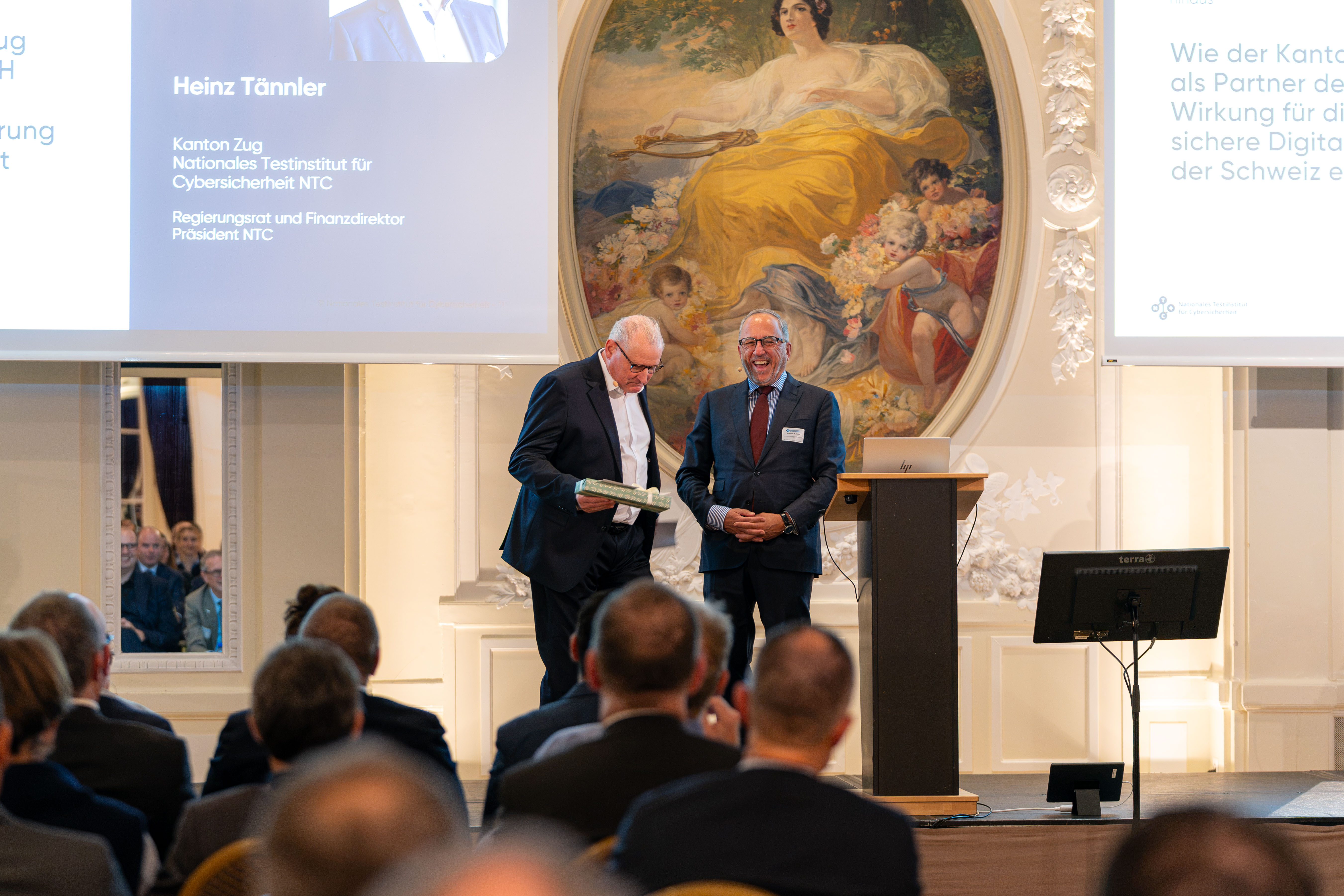
Heinz Tännler, Member of the Cantonal Government and Finance Director of the Canton of Zug, President of the NTC: «Anyone who only tests what is on the market today is usually already too late.» Under the agreements signed on November 11, 2026, the Canton of Zug will therefore fund two new ETH professorships with up to CHF 55 million over 25 years. «The Canton funds, ETH conducts the research, and the NTC tests – independently of manufacturers, independently of politics, and also independently of us as the funder.»
Prof. Dr. Günther Dissertori, President of ETH Zurich as of January 1, 2027, presented the professorships: «AI for Cybersecurity» researches AI as a tool for finding vulnerabilities, while «Secure Machine Learning Systems» focuses on securing entire AI systems, from software to hardware. Examples such as SCION, the digital ICRC emblem, and Soverli show how ETH research reaches practical application.

Signing_11112026 (1)

Sovereignty and regulation

For Federal Councillor Albert Rösti, digital sovereignty does not mean building everything ourselves, but ensuring access to our own data and protecting it, for example with the Swiss Government Cloud.

On regulation, Rösti advocates a measured approach: «As much as necessary, as little as possible.» The Cybersecurity Act is expected to be presented in 2027 and to establish requirements for connected products. Minimum AI security standards would require an international organization modeled on the International Atomic Energy Agency IAEA. A first step is intended to be the Geneva AI Summit on June 21–22, 2027, where, according to Gianna Luzio, Switzerland aims to advance standards and verification mechanisms for AI security.

From digital to physical: hybrid threats

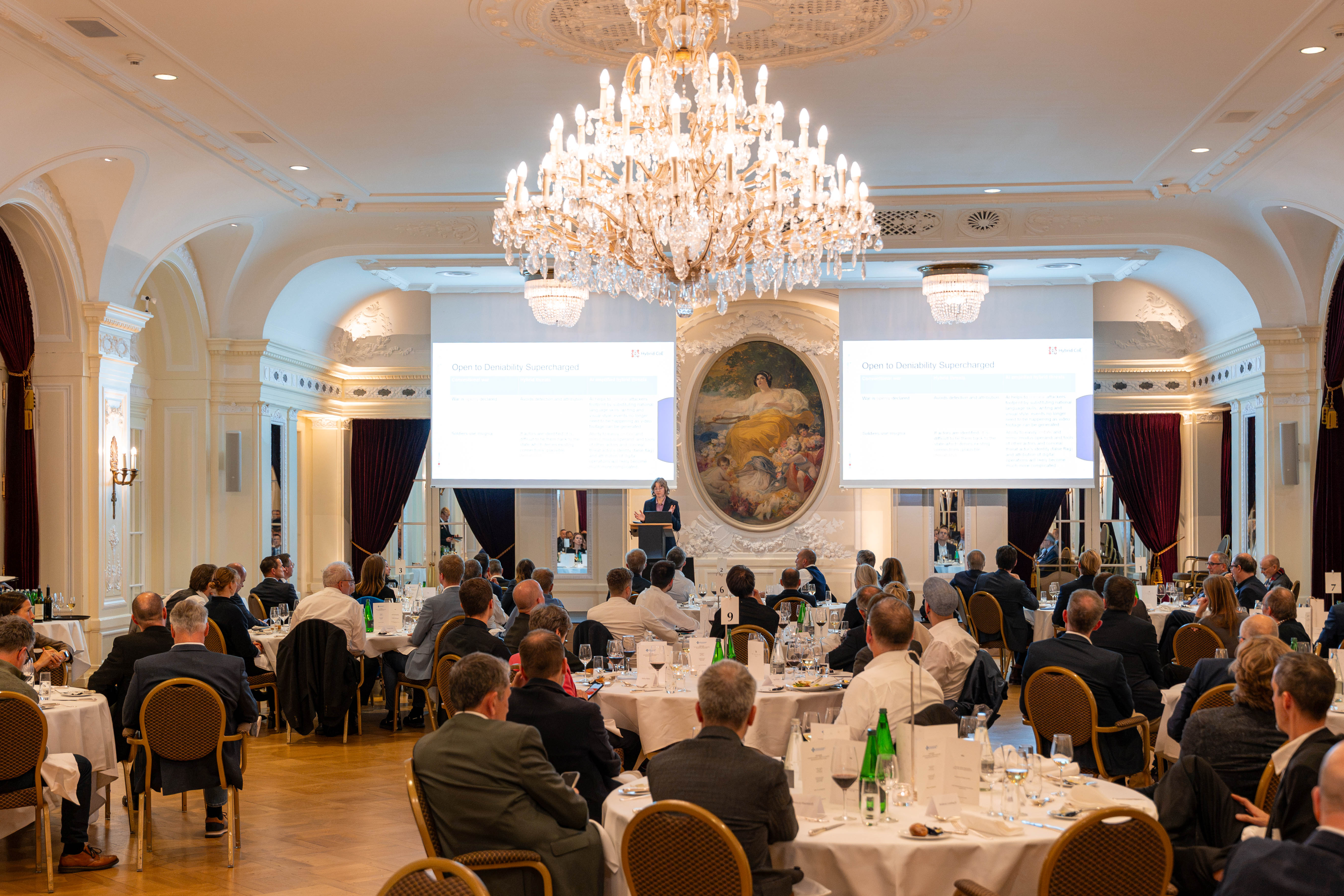
In her dinner keynote «Hybrid Threats on Steroids», Dr. Viktorija Rusinaitė of the European Centre of Excellence for Countering Hybrid Threats (Hybrid CoE) in Helsinki showed how artificial intelligence accelerates and amplifies the evolution of hybrid threats.

  • Faster and broader: AI can amplify information campaigns, support cyberattacks, and also be used in connection with unmanned systems. This increases the speed and reach of hybrid activities.

  • Harder to attribute: AI makes it easier to conceal digital traces, imitate the language, style, and methods of other actors, and thus make attribution more difficult.

  • Opportunism is amplified: Automated vulnerability detection and agentic AI make it possible to exploit identified vulnerabilities more quickly. At the same time, such capabilities become accessible with fewer personnel and less specialized expertise.

  • AI can also support defense: Automated vulnerability detection and patching, the identification of disinformation networks, and AI-supported scenario exercises, training, and testing can strengthen resilience.

  • Collaboration remains central: Rusinaitė emphasized the importance of a whole-of-government approach and broad societal collaboration in preparing for hybrid threats.

2026-ntc-anlass-rusinaitė

Success factors for Switzerland

  • Infrastructure: With the «Alps» supercomputer, the open Apertus language model, and training on full-scale language models, Switzerland has an outstanding foundation, said Dissertori. Europe cannot keep up with the United States and China in the «resource race», but it can set important accents in trustworthy AI.

  • Acting together: «If everyone only manages their own part, nothing is created.» — Heinz Tännler. Impact only emerges when the federal government, cantons, academia, and business combine their strengths – as in the partnership between the Canton of Zug, ETH Zurich, and the NTC.

  • Trust as a Swiss strength: «What Switzerland brings to the table is trust and institutions.» On the Geneva AI Summit 2027: «It is the next summit, not the one after that, that will make the difference.» — National Councillor Gerhard Andrey

Calls to action

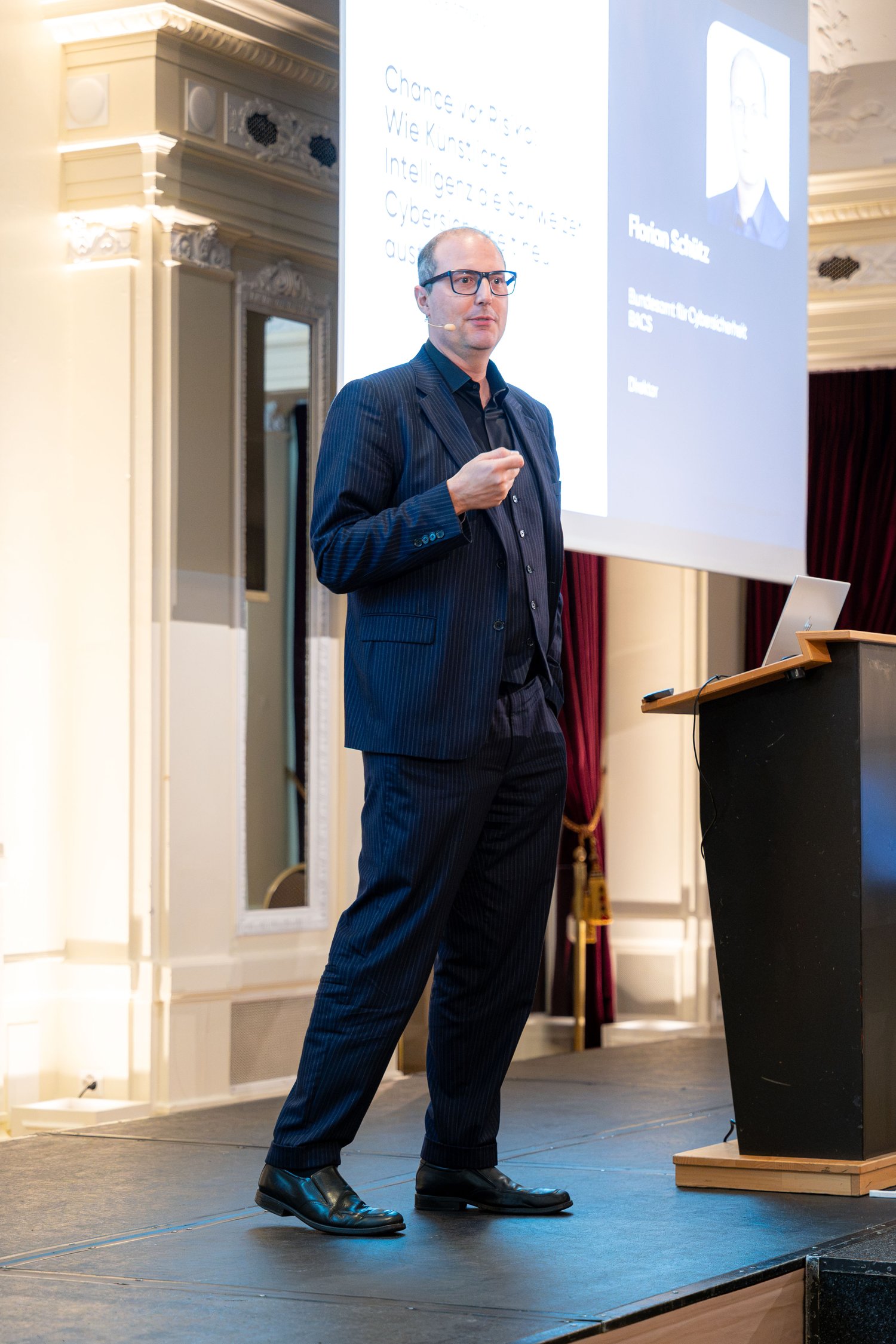
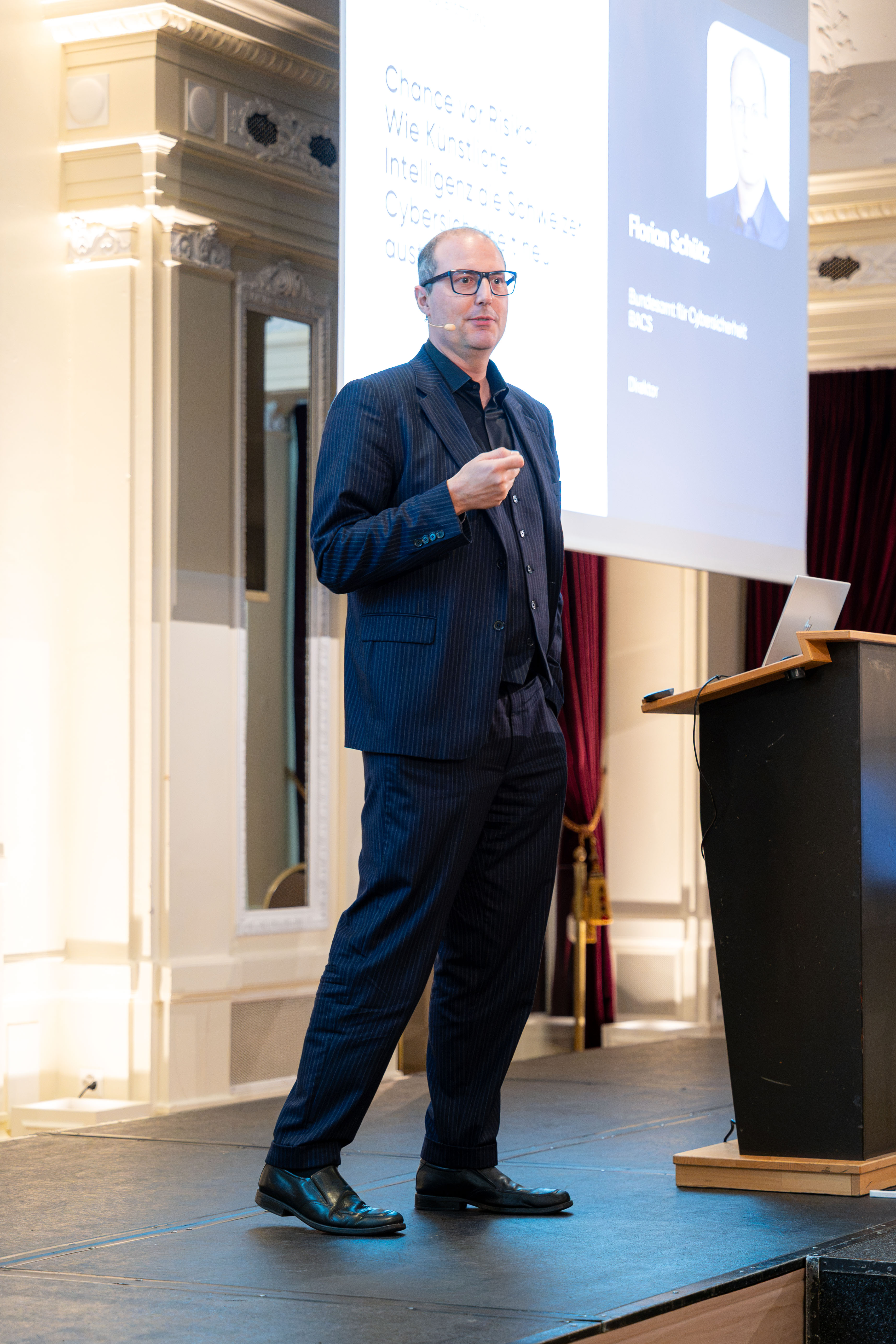
«Let us seize this opportunity: let us use AI to increase cybersecurity and cyber resilience.» — Florian Schütz, Director of the National Cyber Security Centre (NCSC).

  • Increase security: AI should be integrated throughout the entire software development value chain, not only into testing, because «if there is no vulnerability in a system, I cannot exploit it. AI cannot exploit it either.» — Florian Schütz
  • Product liability: Gerhard Andrey called for stricter product liability, digital governance as a non-delegable duty of the highest governing bodies, and support for critical open-source components.
  • Safeguard freedom of choice: «We do not need either/or, but both. We need the ability to choose.» Organizations must be able to switch to another manufacturer at any time, whether open source or not. — Dirk Lindemann, FOITT
  • Lead by example: Federal Councillor Albert Rösti advised experts to build trust, explain clearly, and lead by example.
2026-ntc-anlass-schuetzt

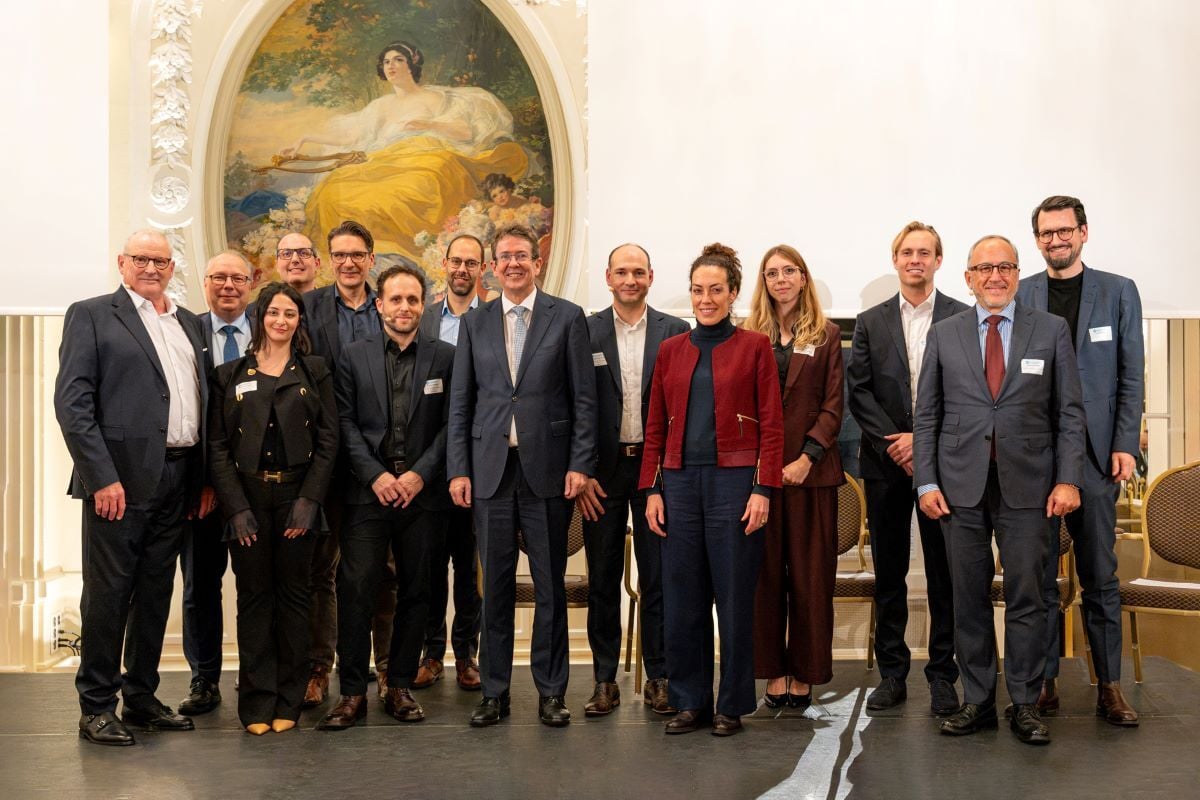
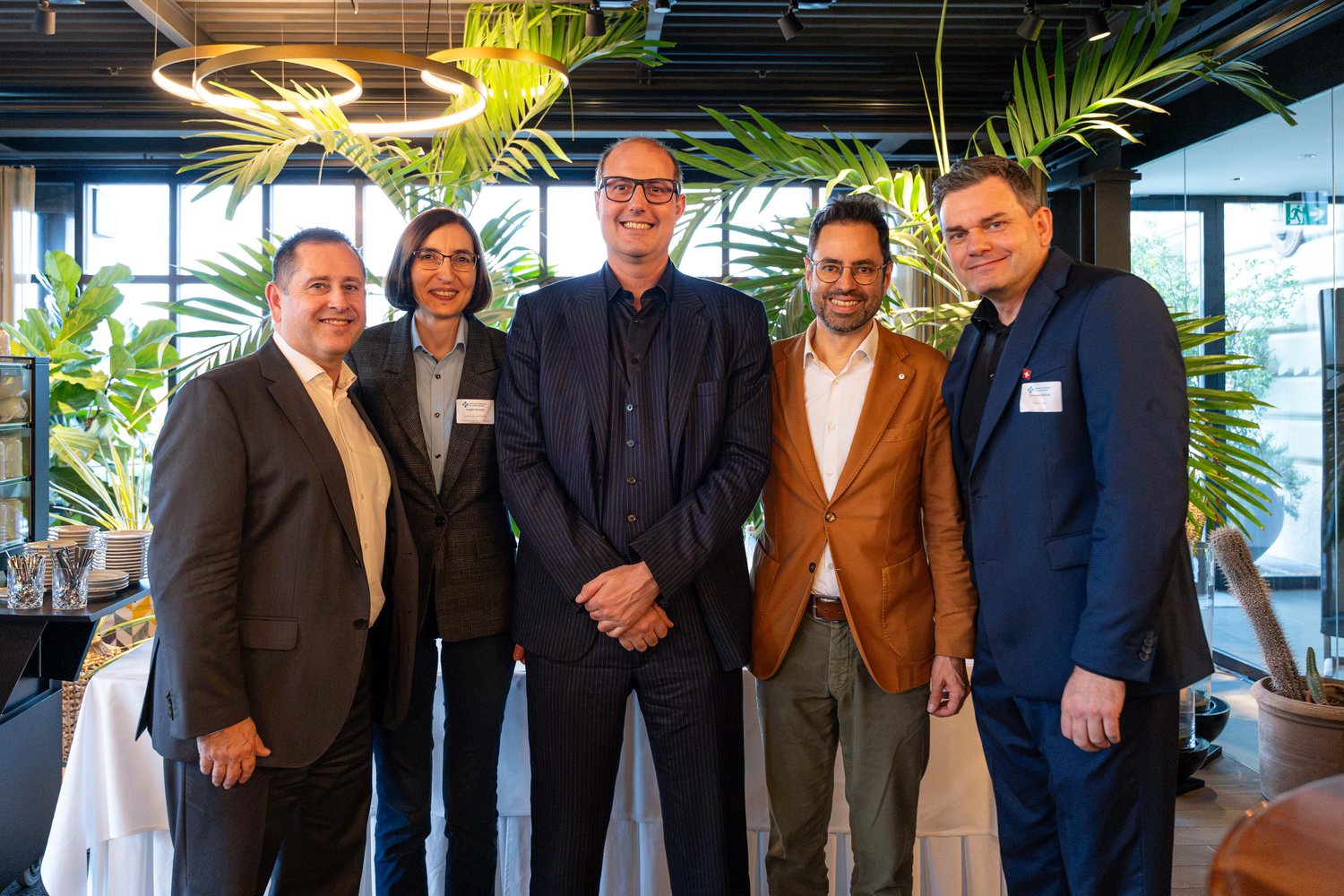
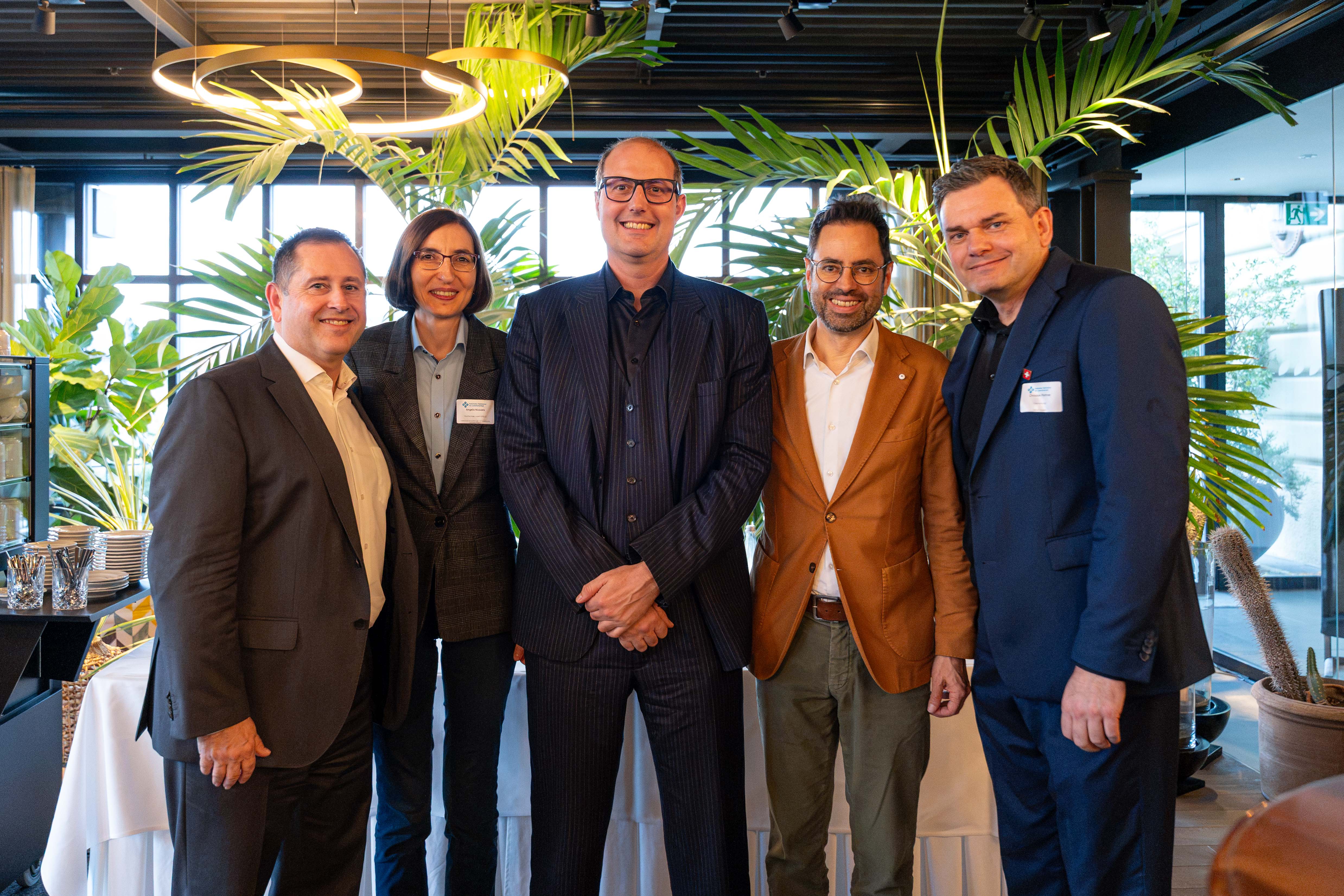
A sincere thank you to all speakers and guests for the inspiring exchange.

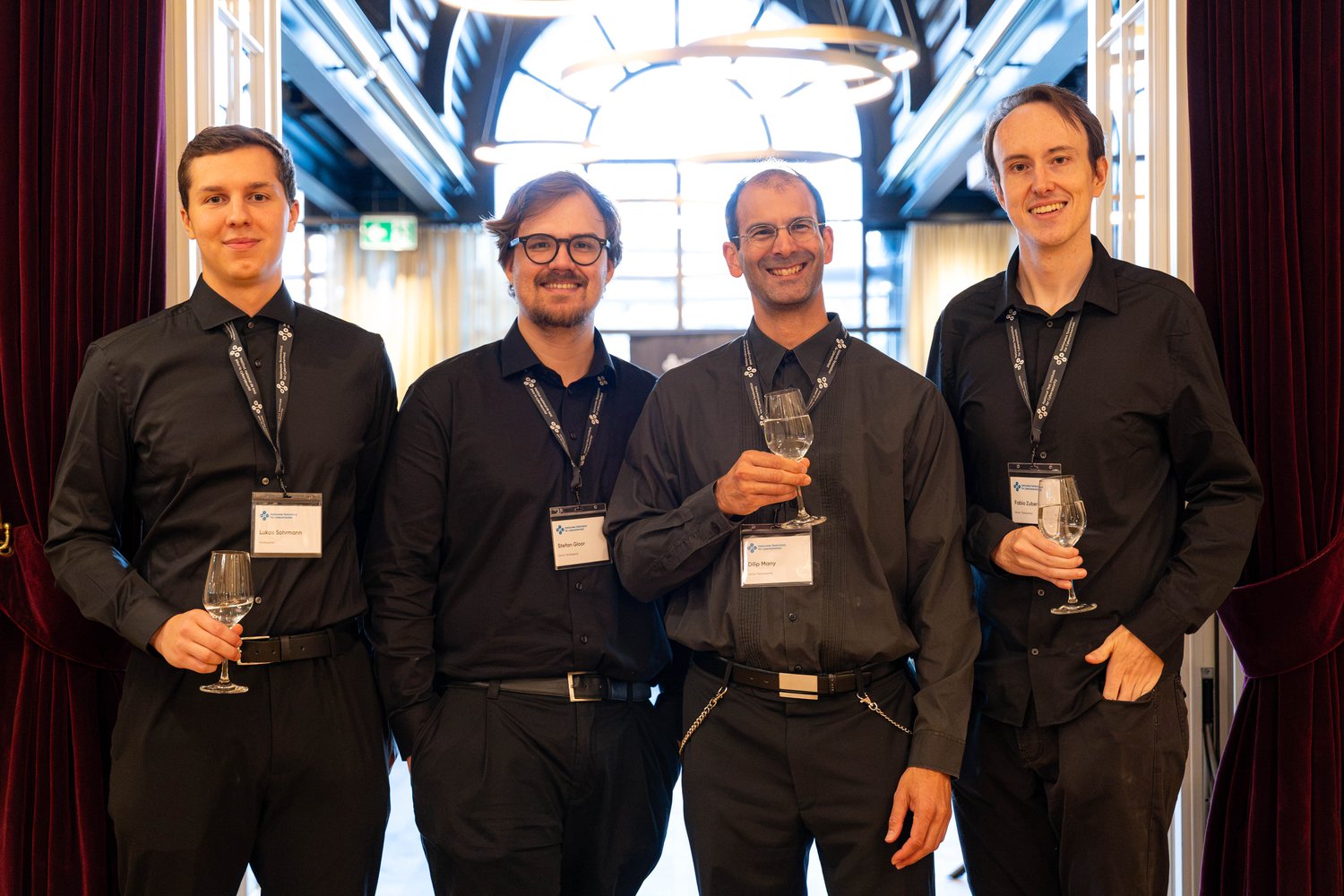
2026-ntc-anlass-fotogruppe

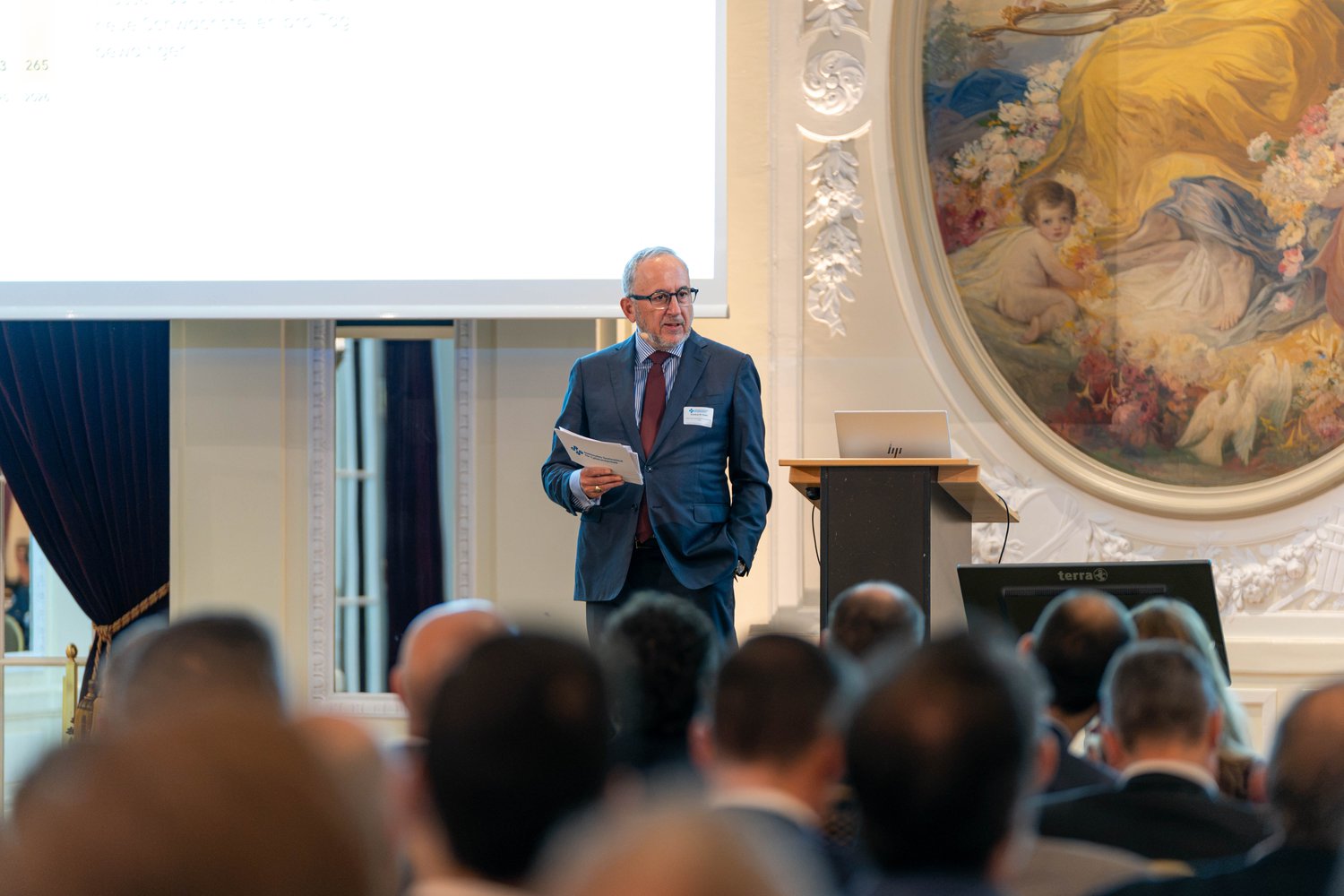
Photo Gallery: NTC Annual Event 2026

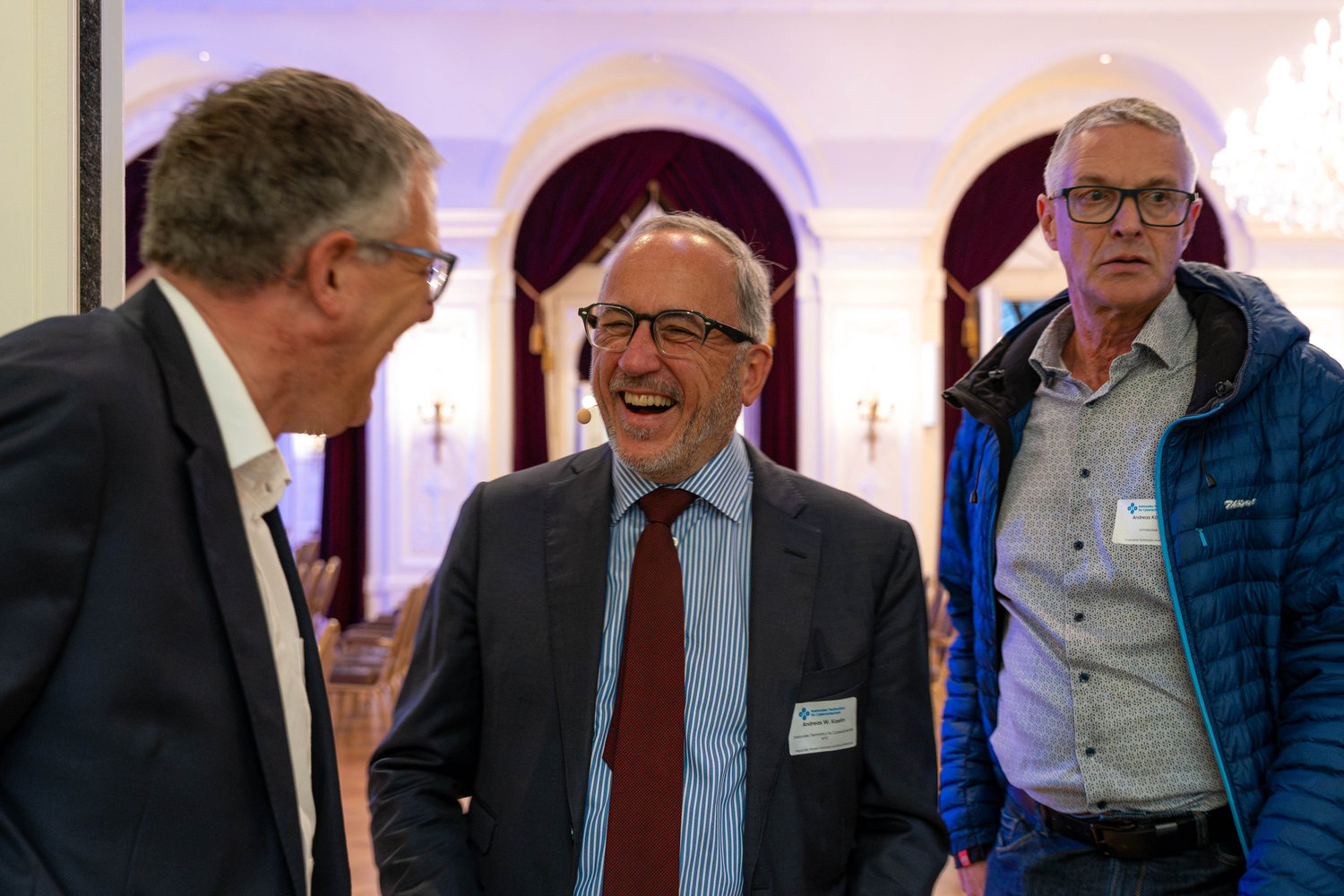
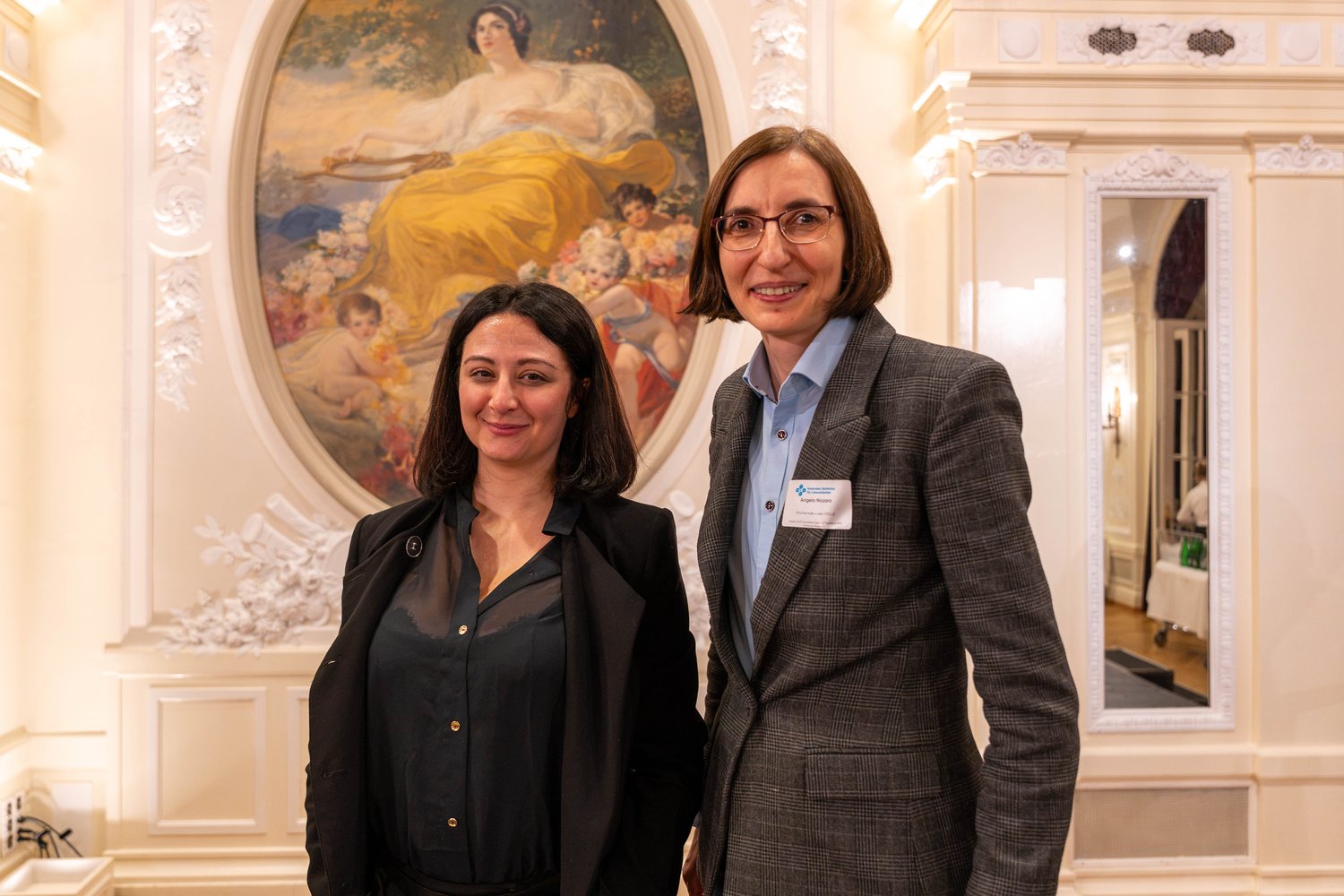
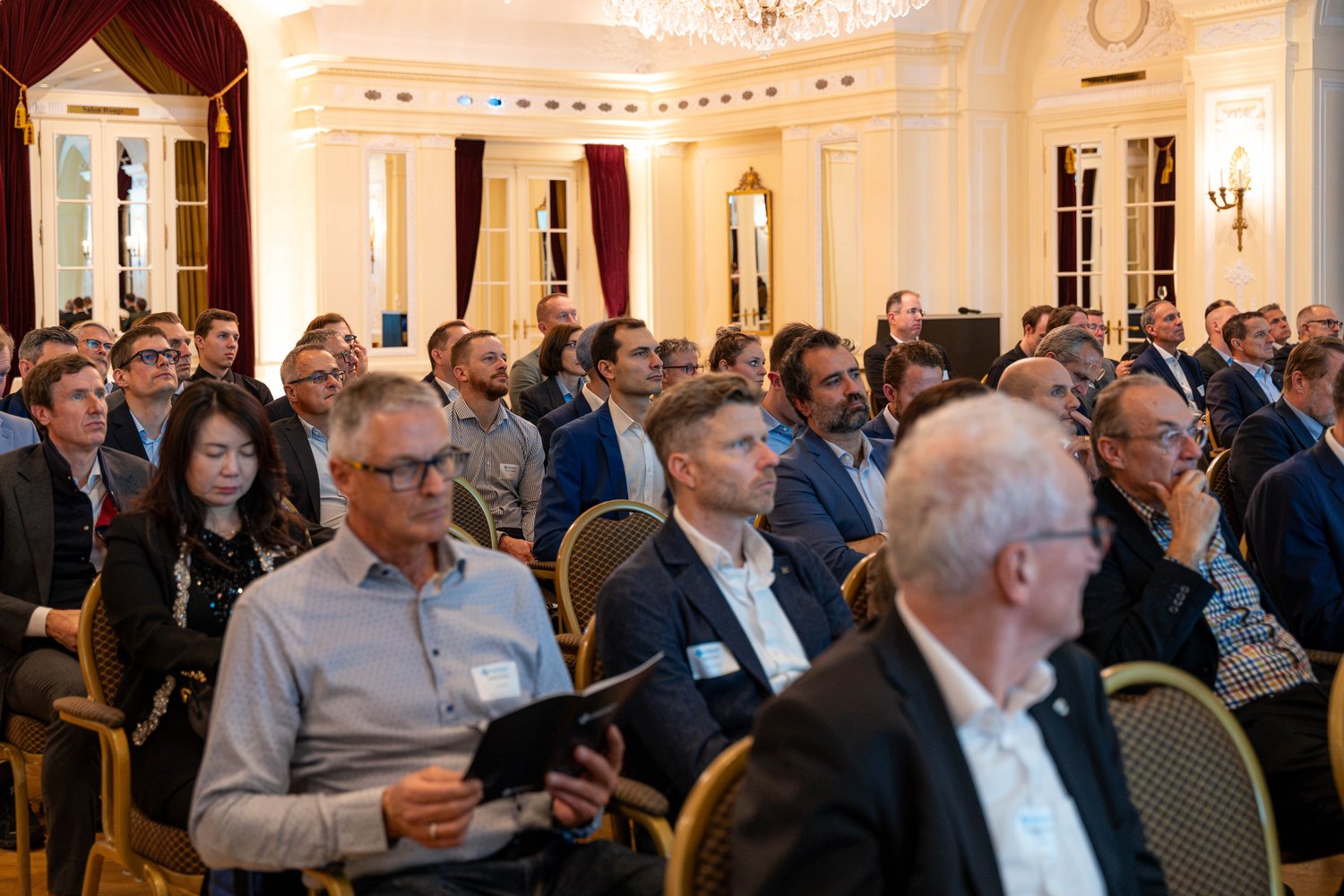
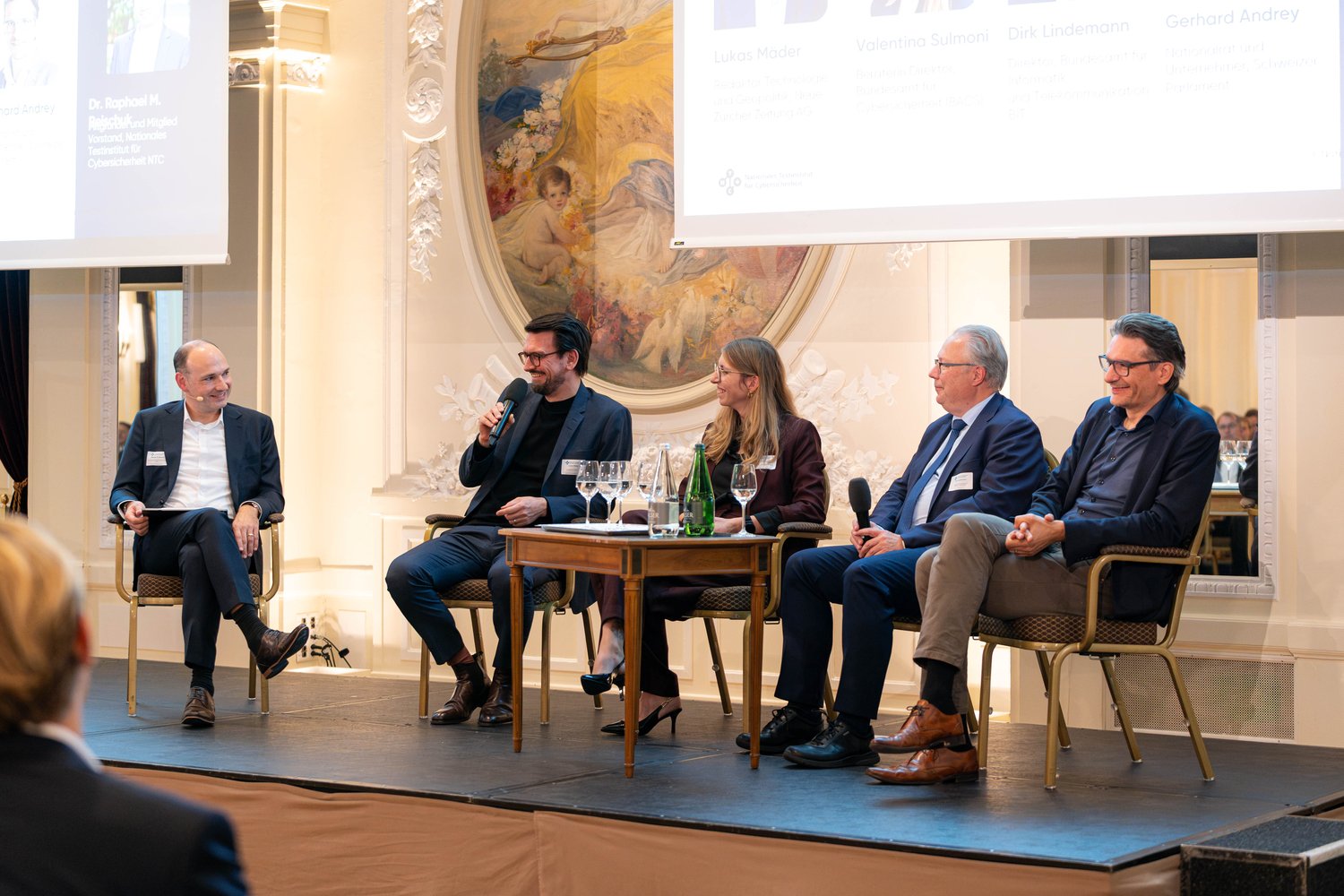
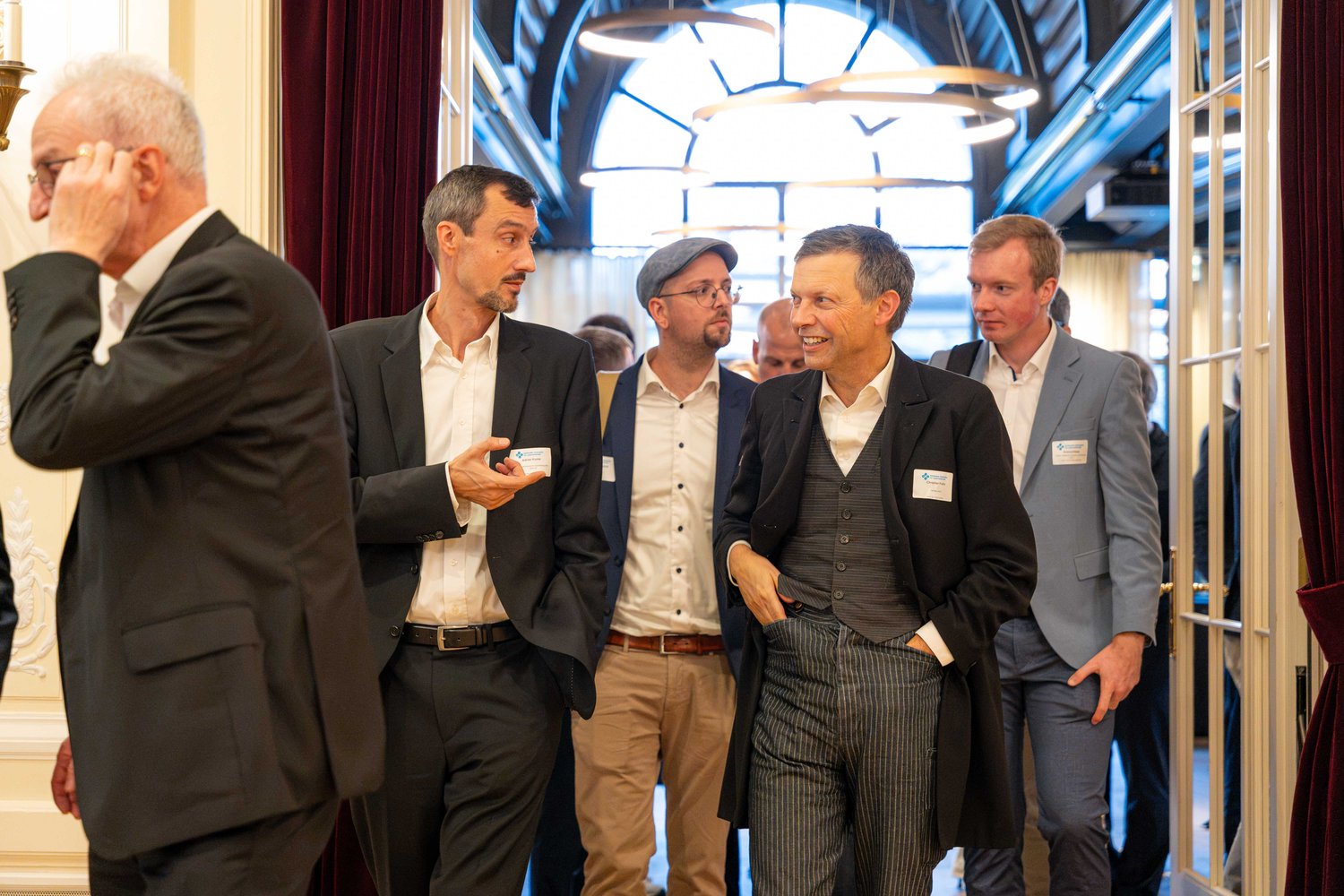
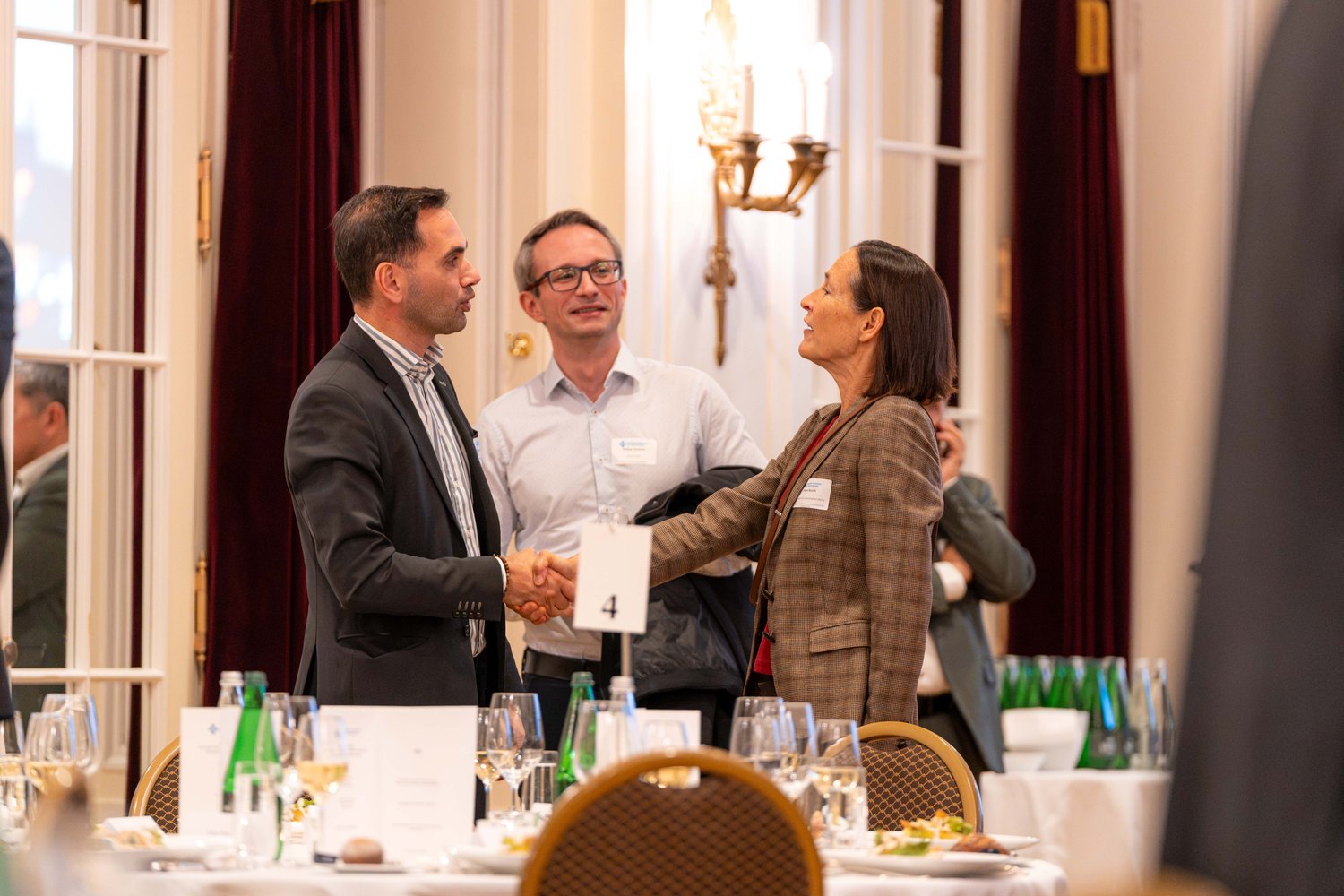
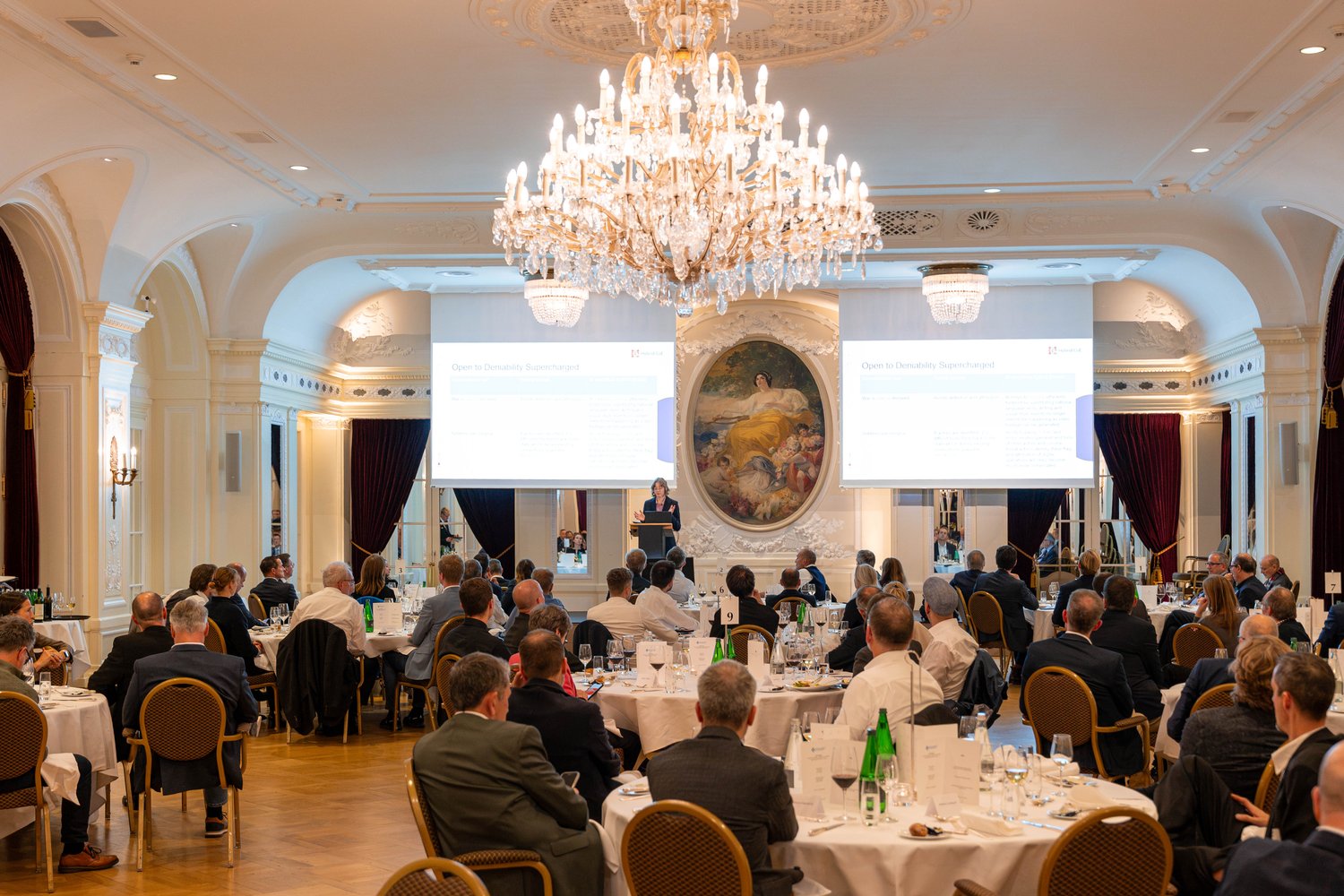
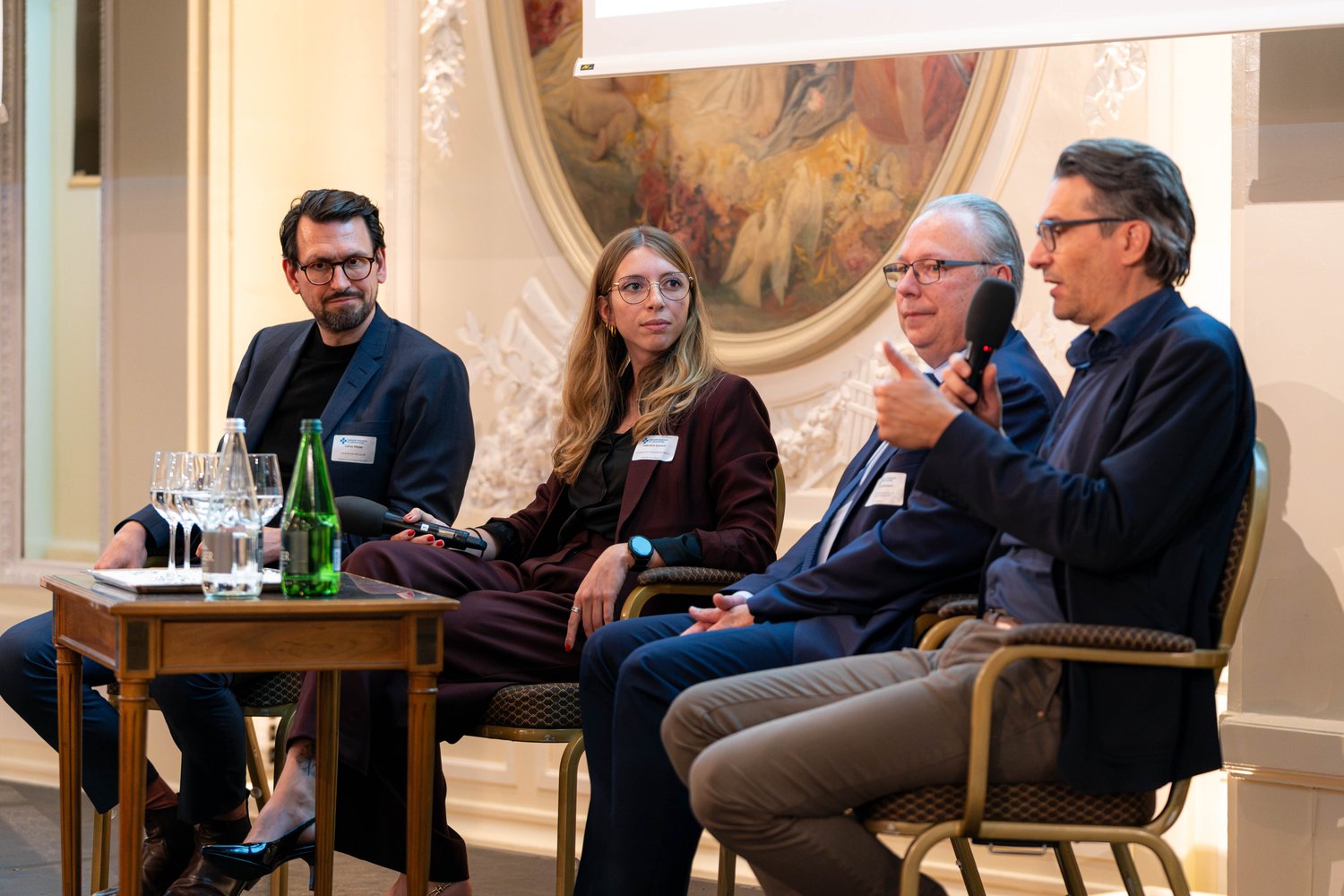
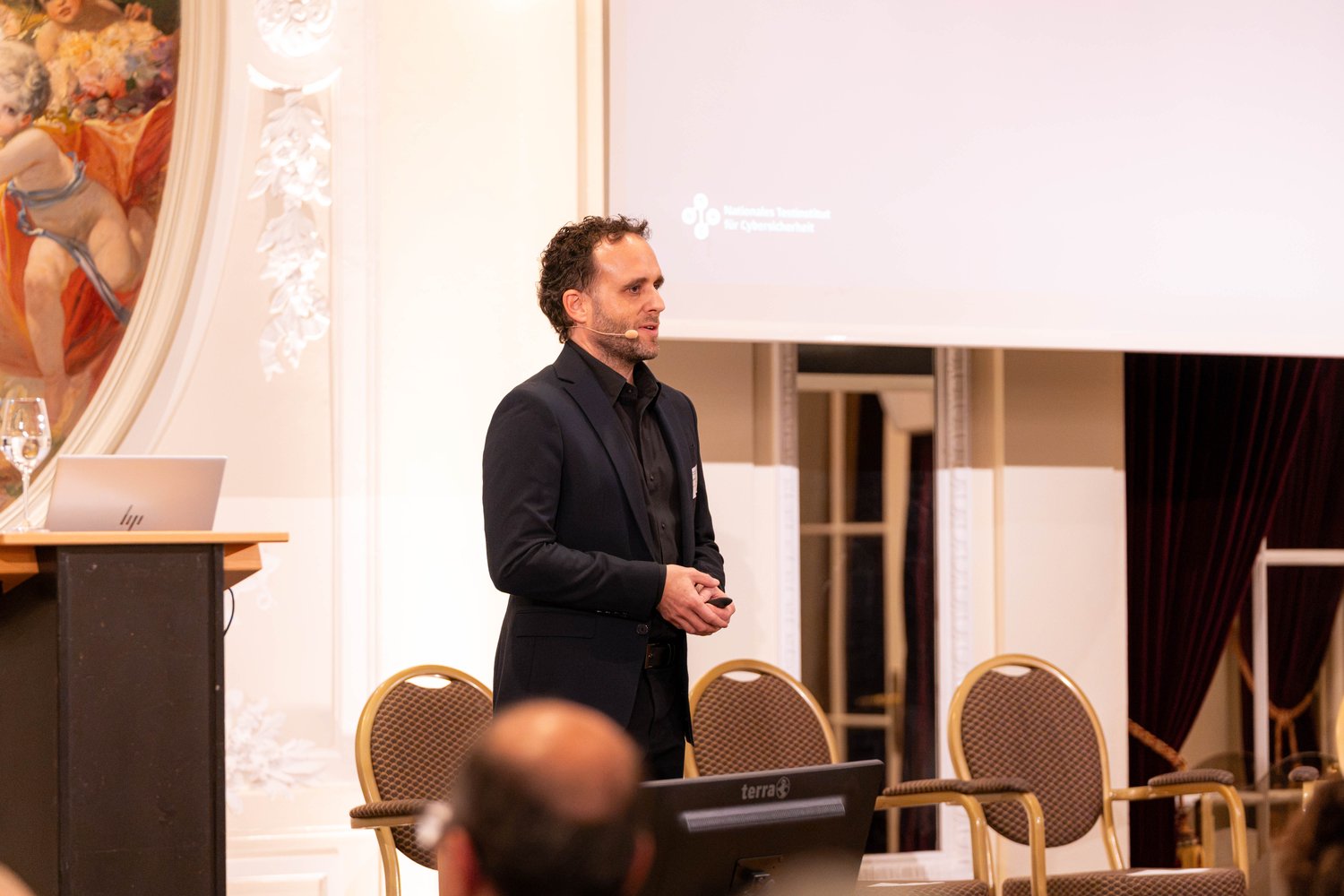
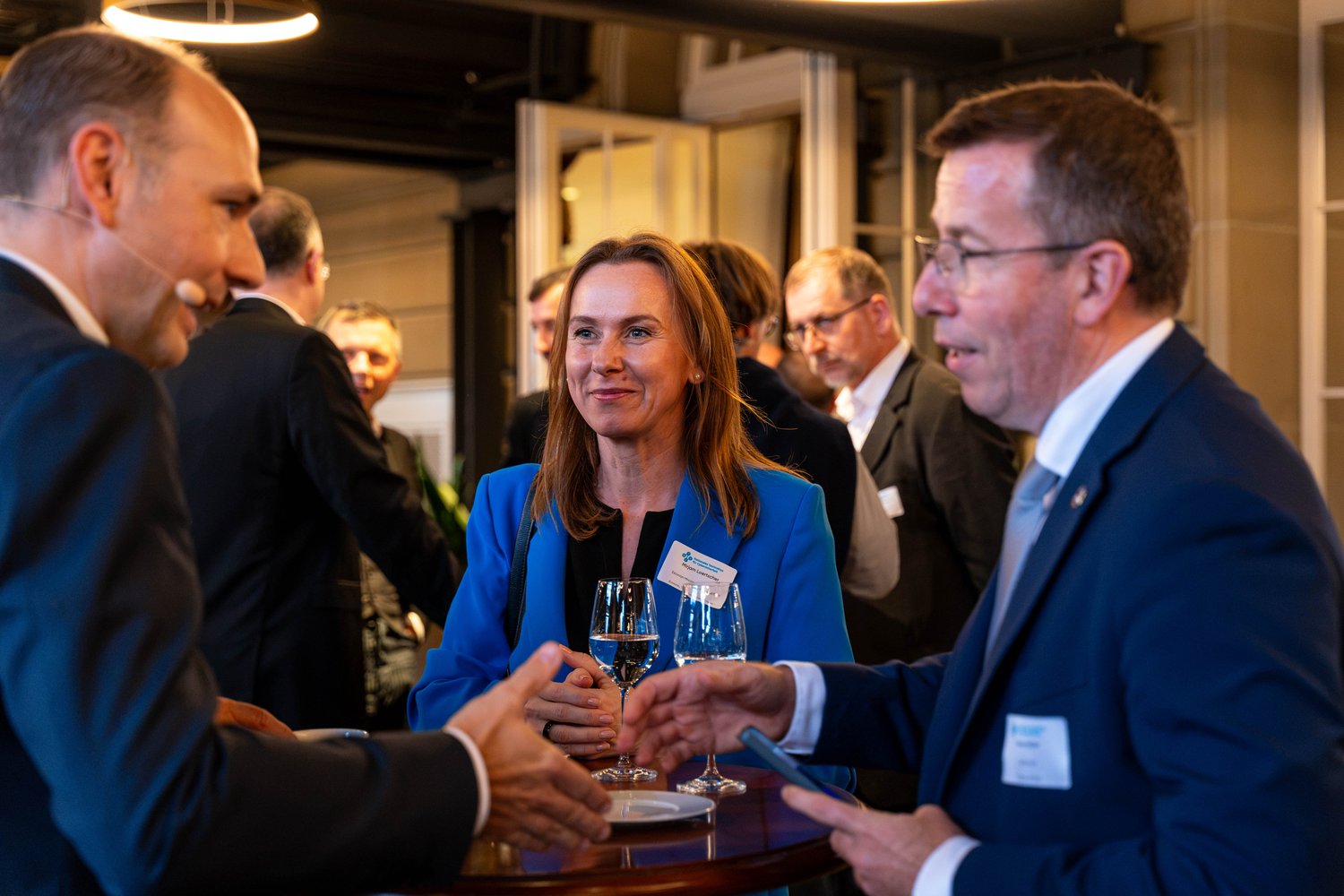
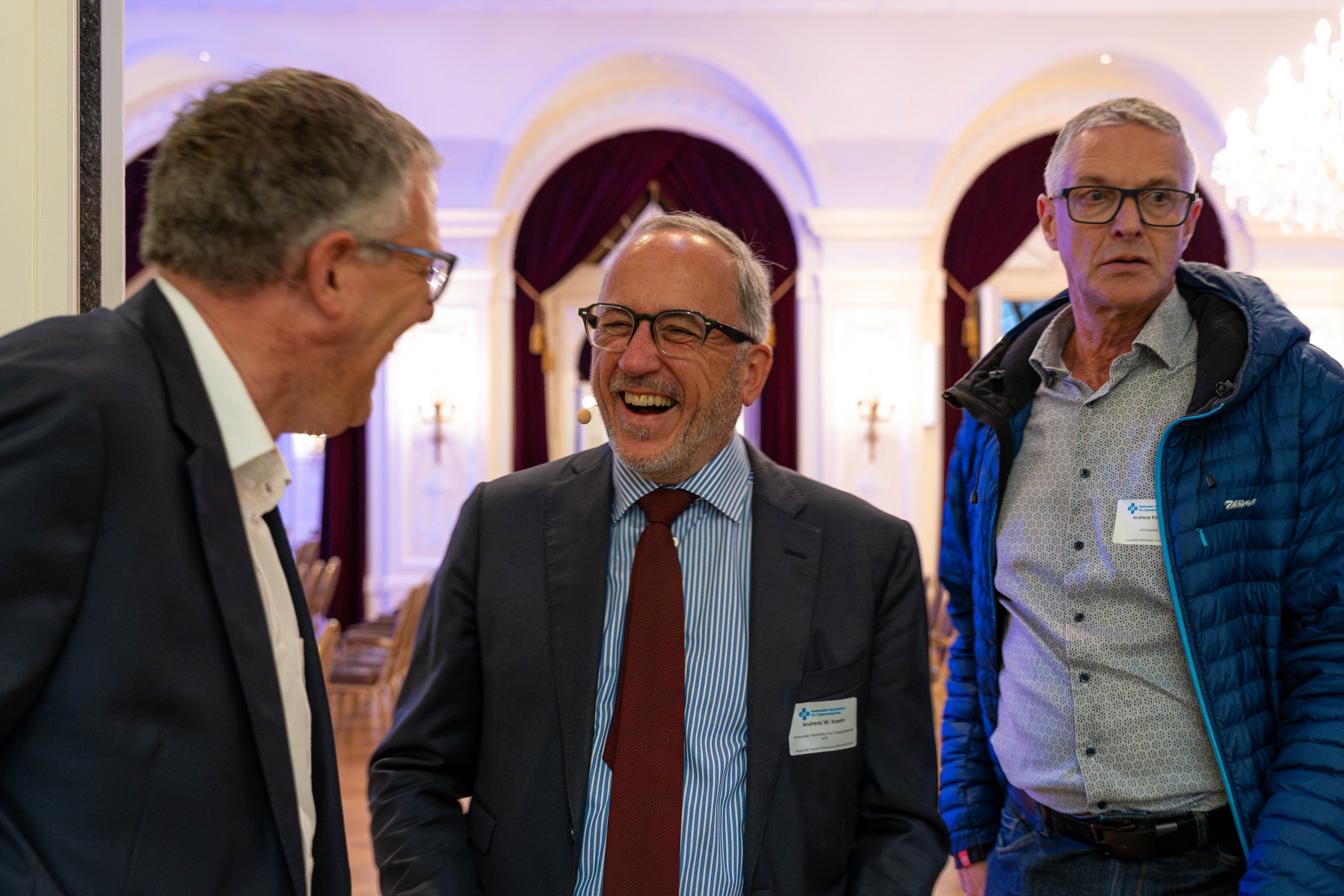
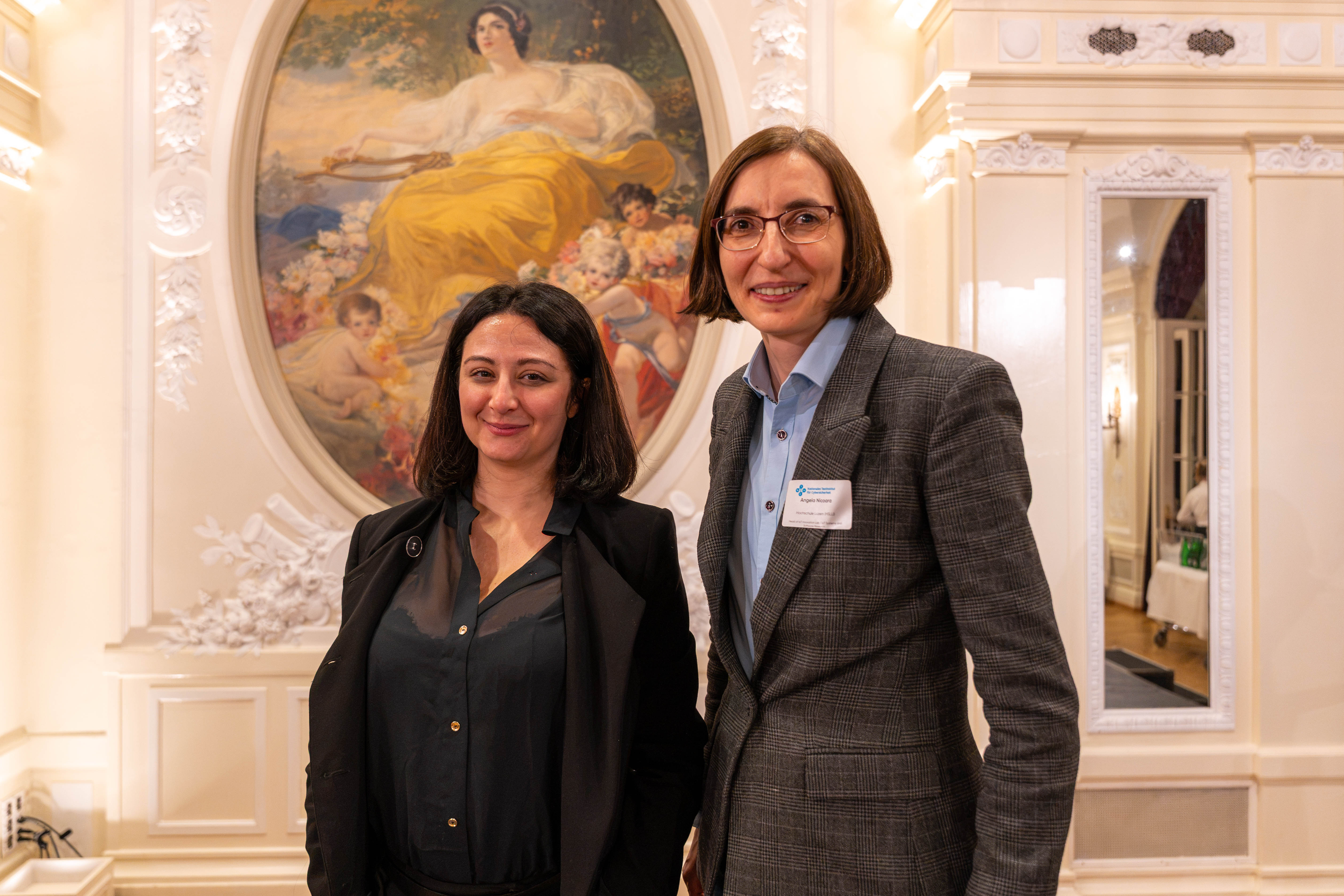
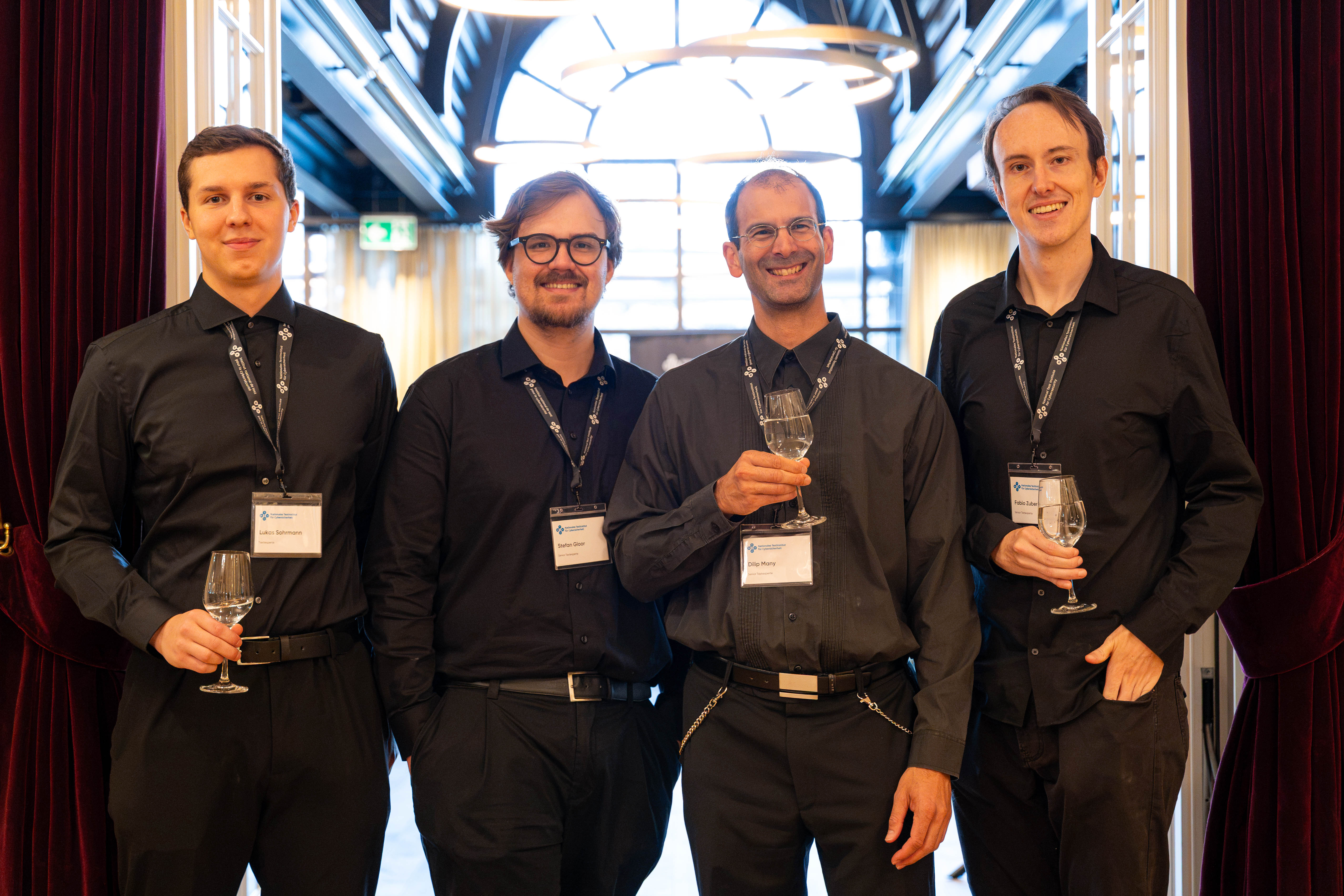
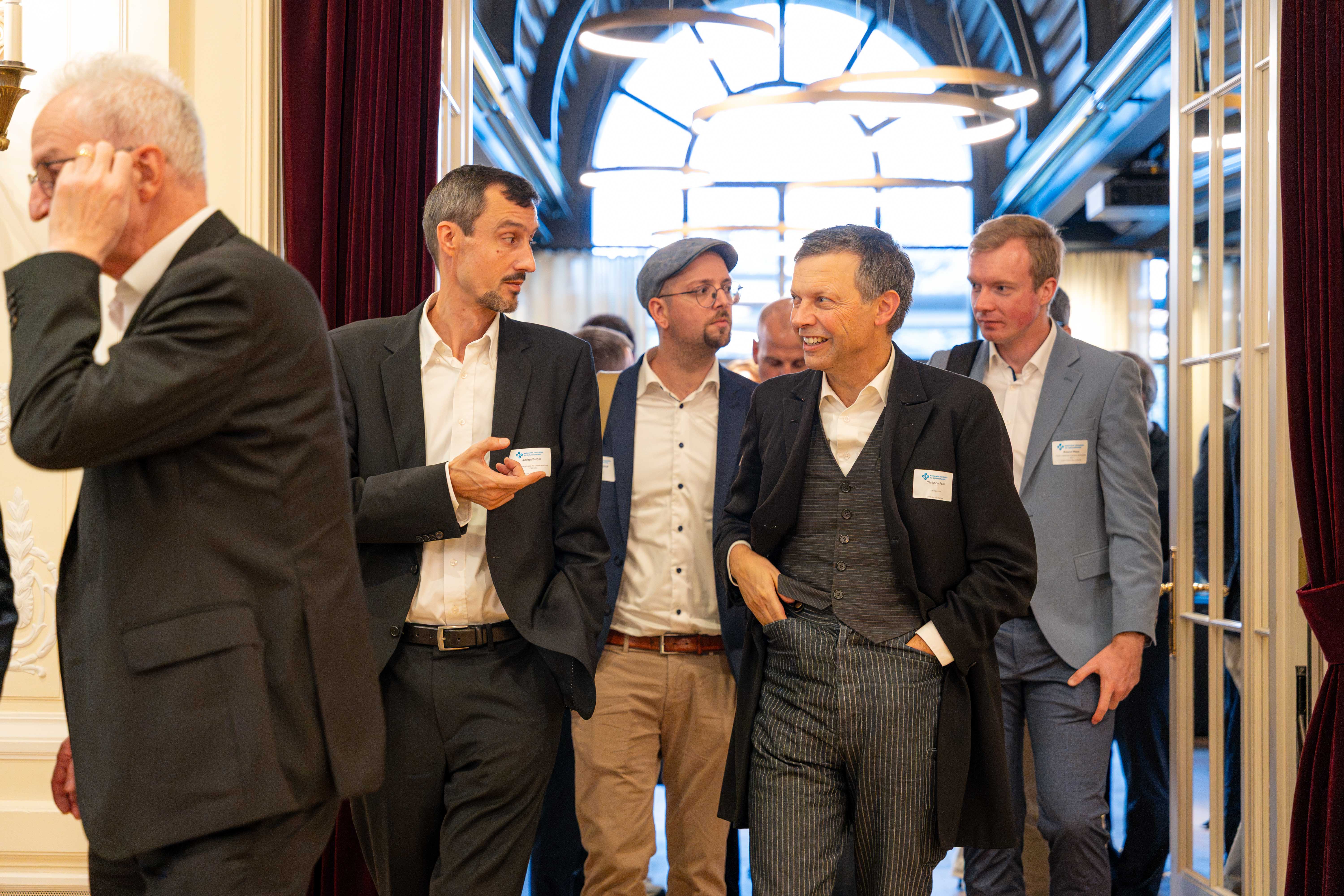
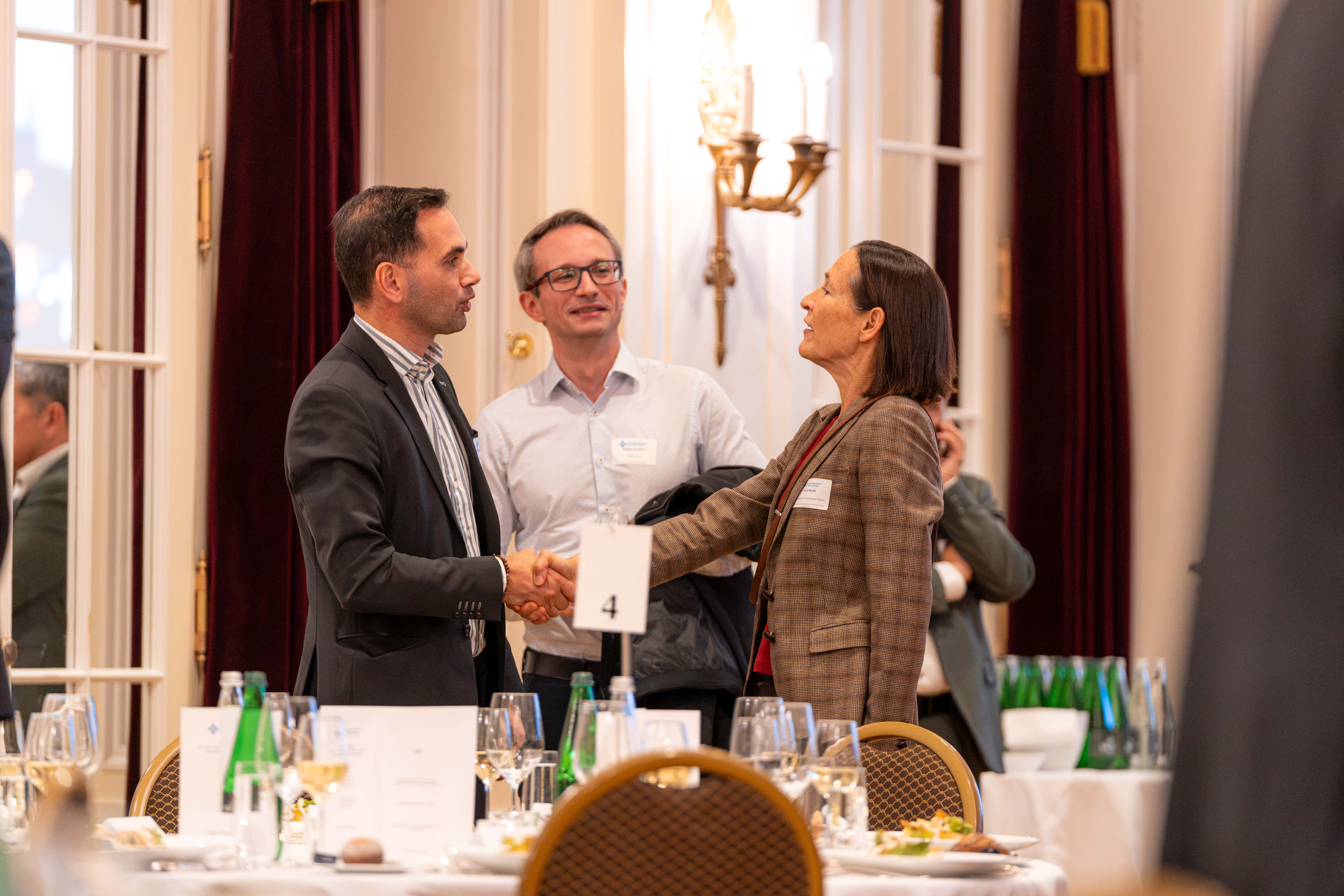
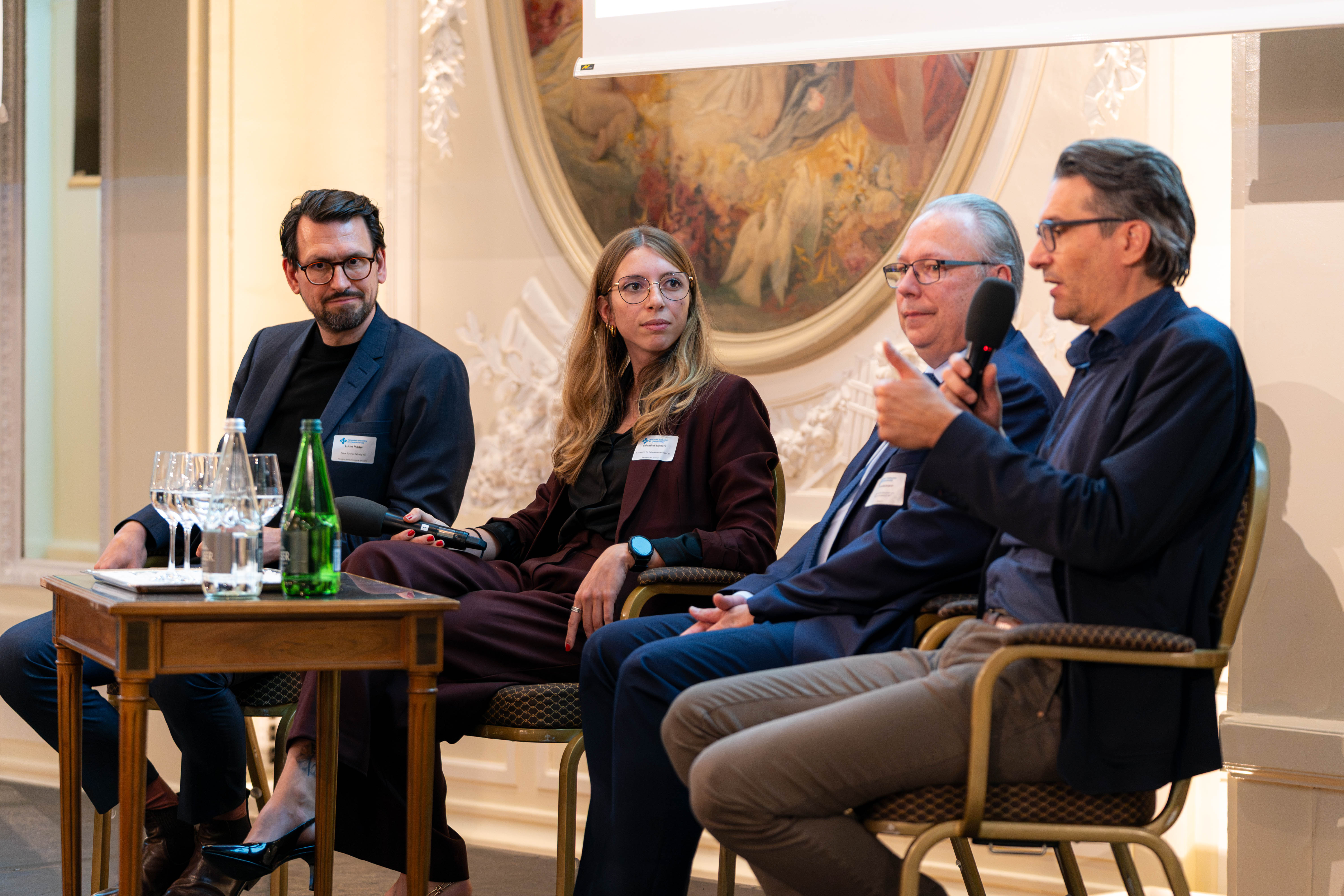
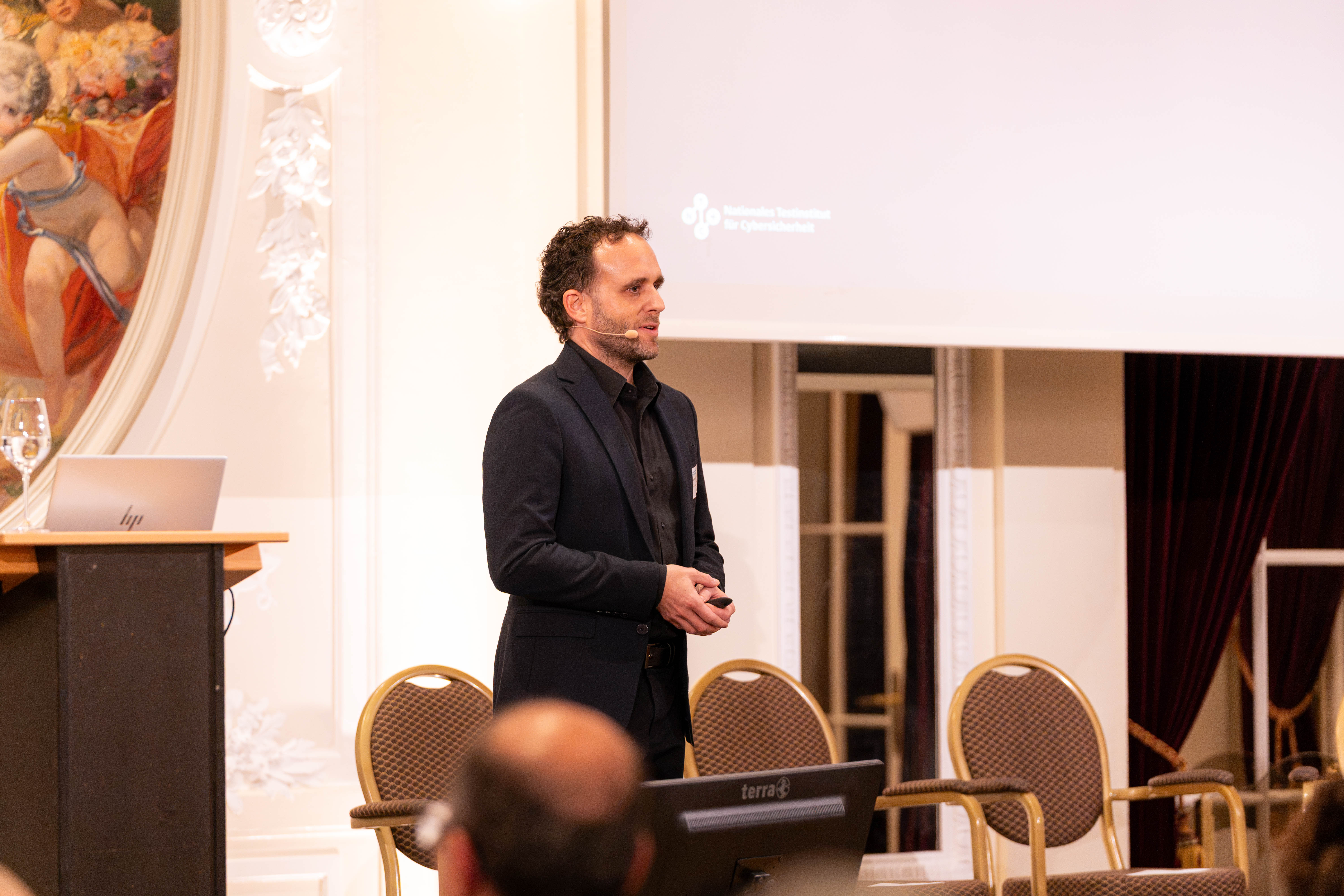
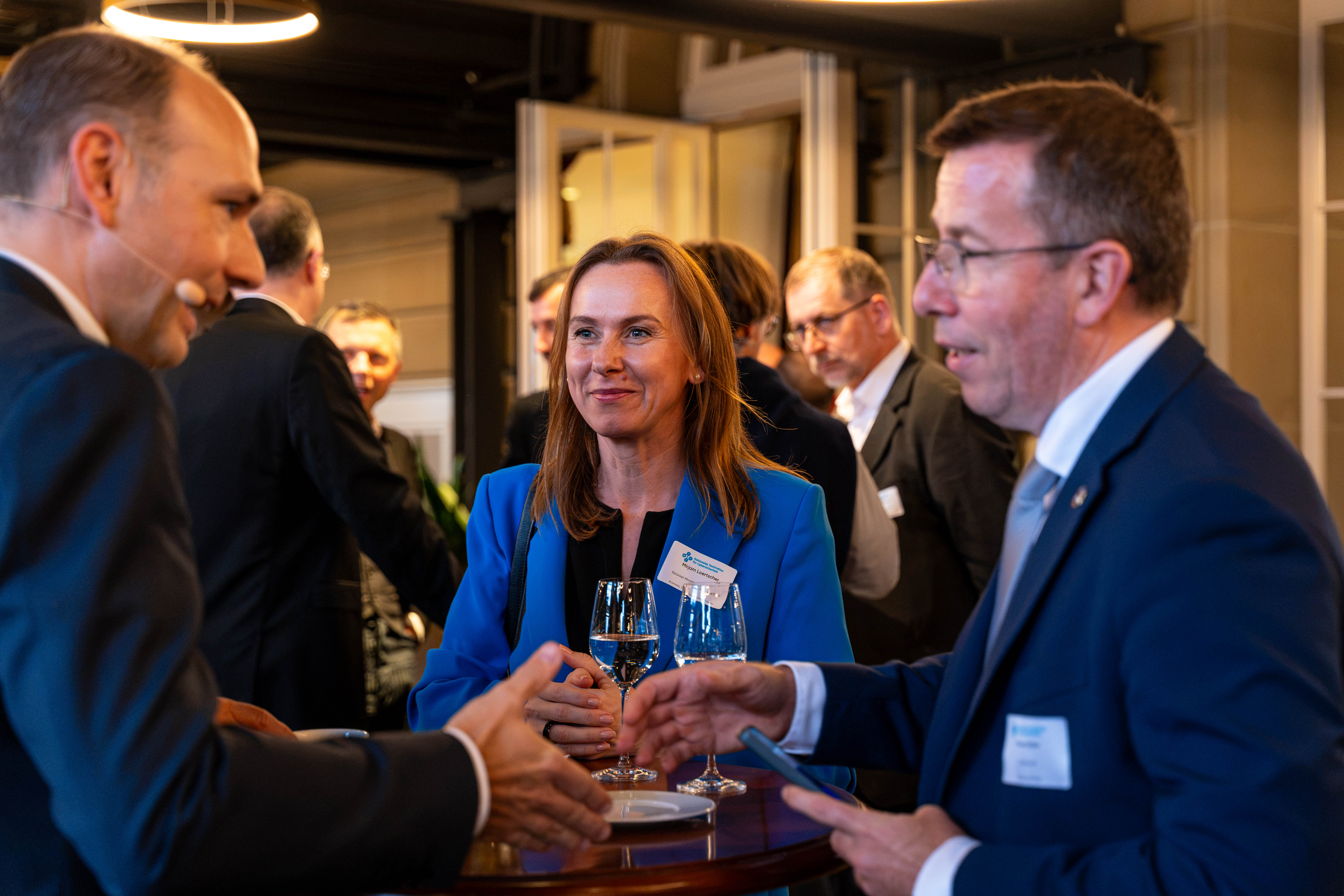
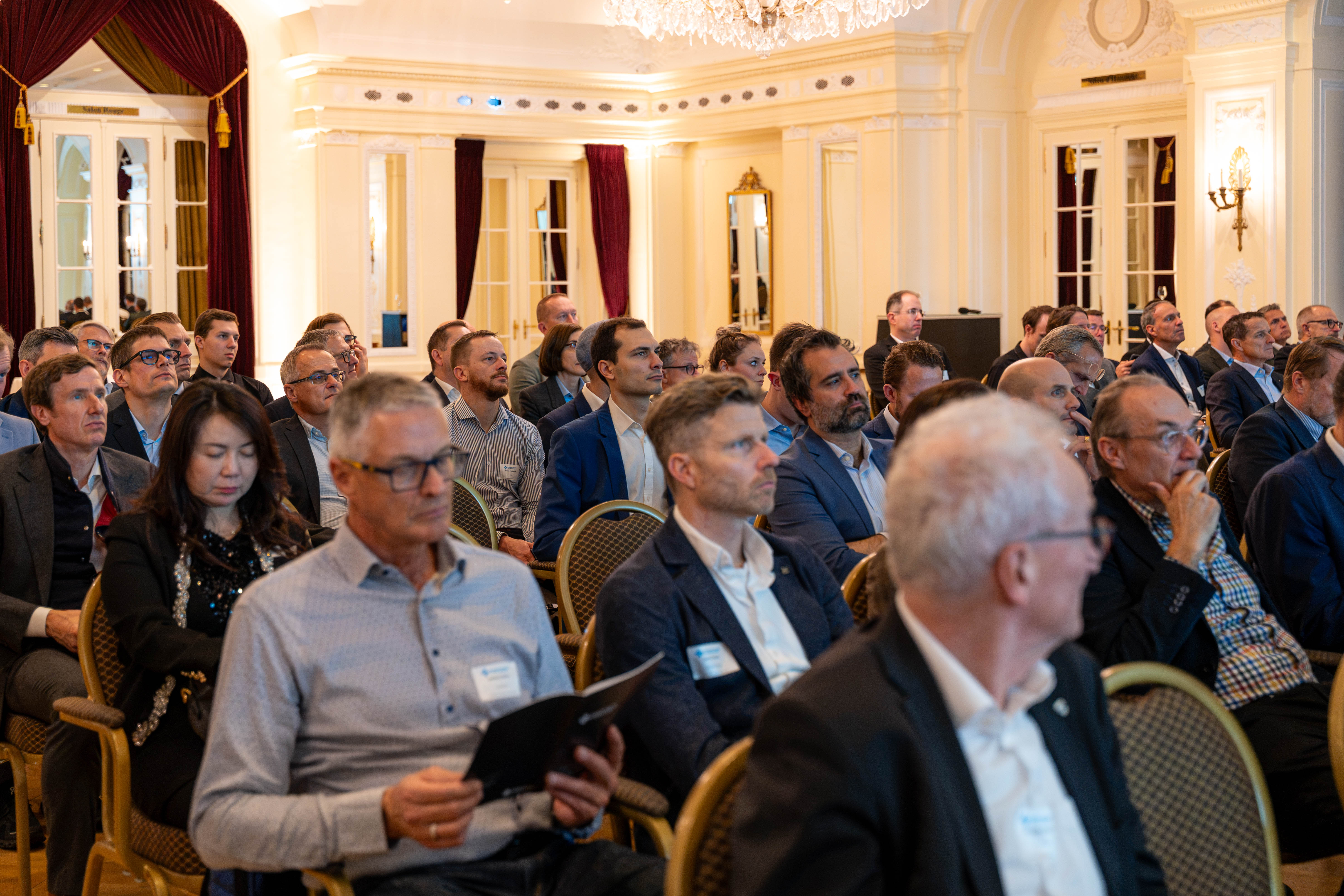
A selection of highlights from the 2026 NTC Annual Event at the Bellevue Palace in Bern—featuring moments from the program, the demo stations, and personal interactions.

Photos: © Stefanie Maurer